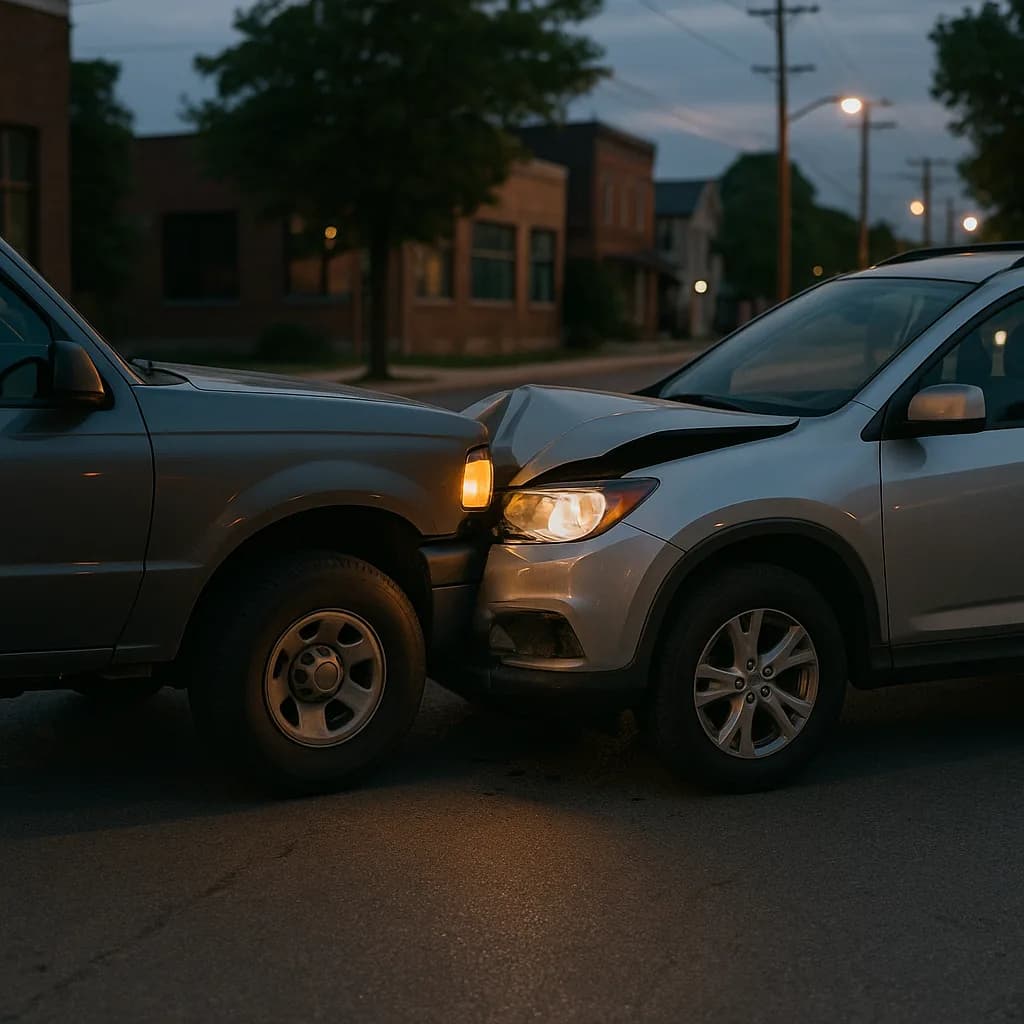
Two Accidents Within Twelve Months
You had two at-fault collisions within a year. The first carrier renewed you with a surcharge. The second accident just closed, and you received a non-renewal notice thirty days before your policy expires. You need coverage immediately, and you want to know whether every carrier will treat you the same way.
The structural reality: carriers re-underwrite your policy when each accident posts to your record, not when the collision happened. If both accidents post before the same renewal, you face stacked surcharges immediately. If the second posts after renewal, you face the first surcharge now and the second at the next renewal cycle. The gap between posting dates determines whether you shop once or twice.
Compare car insurance rates in your state
Get quotes from licensed carriers — no obligation, no spam, results in minutes.
Get Your Free QuoteSingle At-Fault Accident Premium Increase
+43–55%
A single at-fault accident raises premiums 43 to 55 percent over a clean record nationally.
Insurance.com 2026 accident/ticket study + Bankrate 2025
How Carriers Re-Rate After Each Accident
Your carrier does not wait until renewal to decide whether to keep you. Re-underwriting happens when the claim closes and the accident posts to your motor vehicle report and CLUE history. That posting date — not the collision date — triggers the carrier's underwriting system to re-evaluate your risk tier.
If both accidents post within the same policy term, your carrier re-rates you twice before renewal. The first surcharge applies immediately as a mid-term adjustment. The second surcharge applies when the second claim posts. At renewal, both surcharges remain in effect, and the carrier decides whether to renew you at the new rate or non-renew entirely.
If the second accident posts after renewal, you face the first surcharge at renewal and the second surcharge at the following renewal. You shop for coverage twice: once after the first accident when some carriers still write you at elevated rates, and again after the second accident when fewer carriers remain willing to write the policy.
The posting gap between accidents determines whether you face both surcharges at once or in sequence — and whether you shop for coverage once or twice within eighteen months.
What Non-Renewal Means for Your Next Policy

Non-renewal means your carrier will not offer you another term. The policy expires on the date stated in the non-renewal notice, typically thirty to sixty days from the notice date depending on state law. You remain covered until that expiration date. Claims filed before expiration are still covered. Your carrier cannot retroactively void coverage for accidents that occurred while the policy was active.
When you shop for replacement coverage, every application asks whether your prior carrier non-renewed you and why. The answer is visible to every carrier through your CLUE report, which shows the two at-fault accidents and the non-renewal flag. Carriers that write drivers with two accidents in twelve months price you into their high-risk tier. Carriers that do not write multi-accident risks decline the application outright. The number of carriers willing to write you is smaller than the number that wrote you after the first accident.
Related Articles
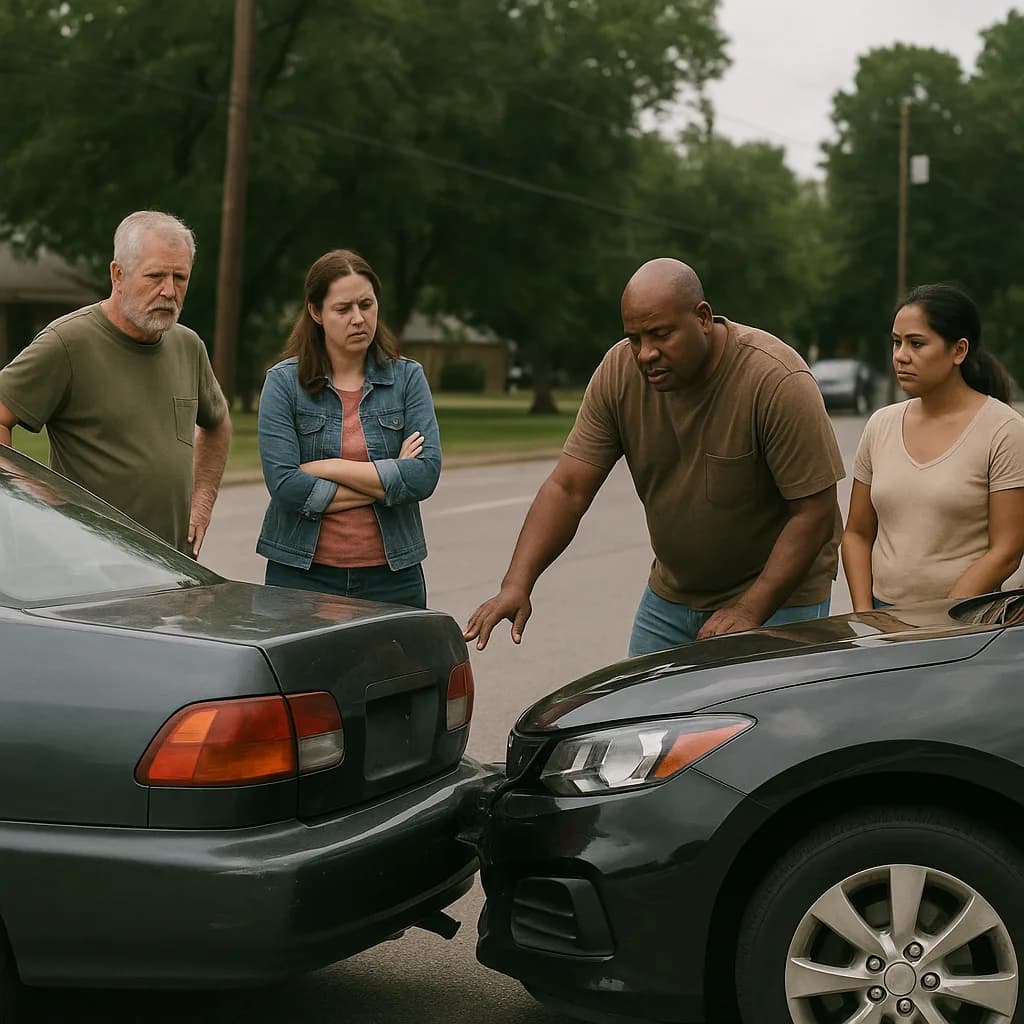





Which Carriers Write Two Accidents in One Year
Not every carrier writes drivers with two at-fault accidents in a twelve-month window. Standard carriers — State Farm, Allstate, Geico — typically non-renew after the second accident posts, though some offer one more renewal cycle at a heavily surcharged rate before exiting. Non-standard carriers write multi-accident risks as their primary book of business.
Progressive writes drivers with two accidents but prices them into Robinsons tier, their highest-risk underwriting segment. Acceptance Insurance, Bristol West, Dairyland, Direct Auto, The General, GAINSCO, and Infinity all write multi-accident policies. National General and Kemper write selectively depending on state and the severity of each collision. Each carrier applies its own surcharge schedule; a smaller surcharge on a higher base rate can cost more than a larger surcharge on a lower base.
Your state's assigned-risk pool — the residual market mechanism that guarantees coverage to drivers no voluntary carrier will write — remains available if no voluntary carrier offers you a policy. Assigned-risk premiums are higher than voluntary-market premiums, but the coverage is identical to a standard policy and meets state minimum liability requirements. You remain in the assigned-risk pool until your accidents age off your record or a voluntary carrier offers to write you again.
National Carriers Writing SR-22 Filers
21 carriers
Twenty-one carriers in the national roster write SR-22 policies, which overlap heavily with the carriers that write multi-accident risks. If your state requires an SR-22 filing after two accidents, the same non-standard carriers that write multi-accident policies also handle the filing.
Verified carrier roster, TRUE-flagged SR-22 writing count
How Long Two Accidents Affect Your Rate
Each accident remains on your motor vehicle report for three to five years depending on state law. Most states keep accidents on your record for three years from the date of the collision. California, Massachusetts, and a few other states extend that window to five years. The surcharge period — how long your carrier applies the rate increase — matches the reporting period in most states.
Surcharges do not disappear the day an accident falls off your record. Your carrier re-rates your policy at renewal. If your renewal date falls after the three-year or five-year anniversary of the older accident, that accident no longer appears on your motor vehicle report when the carrier pulls your record, and the surcharge for that accident drops. The second accident remains surchargeable until its own anniversary date passes.
You become eligible for standard-carrier coverage again once both accidents age off your record and you complete at least six months of continuous coverage without a lapse. Some standard carriers require twelve months of clean driving after the second accident drops before they will write you. Shop aggressively at each renewal cycle after the first accident drops — your rate will fall significantly when only one accident remains chargeable.
Compare Carriers That Write Multi-Accident Policies
Two at-fault accidents in one year put you in a smaller pool of carriers, but that pool still contains competitive options. Non-standard carriers compete on price within the high-risk segment. The carrier that quoted you the lowest rate after your first accident may not be the lowest after the second. Surcharge schedules vary by carrier, and base rates shift when you move from one underwriting tier to another.
Request quotes from at least five carriers that write multi-accident risks. Include Progressive, Acceptance Insurance, Bristol West, Dairyland, and The General in every quote round. If your state has an assigned-risk pool and no voluntary carrier offers an acceptable rate, request an assigned-risk quote through your state's insurance department. Compare the assigned-risk premium to the lowest voluntary-market quote — the gap is often smaller than drivers expect, and assigned-risk coverage includes the same liability protection and optional coverages as a voluntary policy.