What Happens When You Cause an Accident in Wisconsin
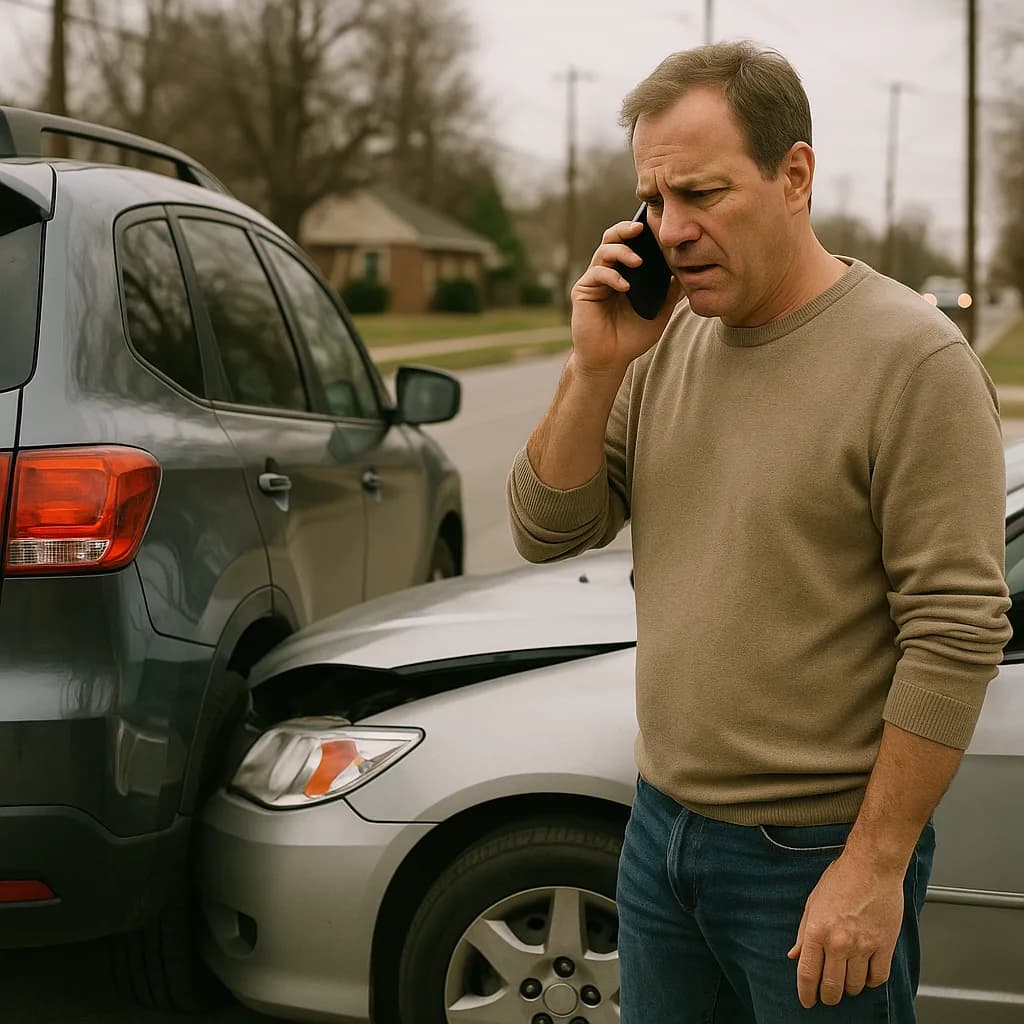
You caused an accident in Wisconsin. The other driver filed a claim against your liability coverage, or you filed a collision claim for your own vehicle. Now your renewal notice arrives and the premium jumped more than you expected — not just on the car involved in the accident, but across every vehicle on your policy. The surcharge hit the entire household policy, and you need to understand why and for how long.
Wisconsin operates under a fault-based system. The at-fault driver's liability insurance pays for the other party's damages up to policy limits. When you cause an accident, your carrier determines chargeability — whether the accident will surcharge your premium at renewal. That determination follows you for 3 to 5 years depending on the carrier and the severity of the accident, and it applies to your entire policy, not just the vehicle involved.
Compare car insurance rates in your state
Get quotes from licensed carriers — no obligation, no spam, results in minutes.
Get Your Free QuoteWisconsin Average Auto Premium
Wisconsin drivers paid an average of $1,062.98 per insured vehicle in 2023, well below the national average.
NAIC Auto Insurance Database Report 2023
How Wisconsin Determines Fault and Chargeability
Fault determination happens through the claims process. When an accident occurs, each carrier investigates and assigns fault based on police reports, witness statements, and state traffic laws. Wisconsin follows a fault-based liability system: the driver who caused the accident is responsible for damages. If you rear-ended another vehicle, ran a red light, or violated right-of-way rules, you are typically found at-fault.
Chargeability is a separate decision your own carrier makes. An accident is chargeable if your carrier will apply a surcharge to your premium at renewal. Most at-fault accidents are chargeable, but carriers have discretion. A minor at-fault accident with minimal payout may not be surcharged if you have accident forgiveness or a clean prior record. A major at-fault accident with significant injury or property damage is almost always chargeable.
The surcharge applies at your next renewal and continues for 3 to 5 years from the accident date. During that period, the accident appears on your motor vehicle record and your CLUE report, and every carrier you quote with will see it. The surcharge amount varies by carrier — some apply a flat percentage increase, others use tiered surcharge schedules based on claim severity. A household with multiple vehicles on one policy sees the surcharge applied to the entire policy premium, not just the vehicle involved in the accident.
The surcharge hits your entire multi-car policy, not just the vehicle involved, because Wisconsin carriers rate the household's total risk, and an at-fault accident raises that risk across every vehicle you insure.
What the Surcharge Does to a Multi-Car Policy
Wisconsin carriers rate multi-car policies as a single risk unit. The policy covers multiple vehicles and multiple drivers, but the premium reflects the household's combined risk profile. When one driver causes an at-fault accident, that accident becomes part of the household's risk profile, and the surcharge applies to the total policy premium. If your household insures three vehicles and one causes an accident, all three vehicles see a premium increase at renewal.
The multi-car discount remains in place after an at-fault accident, but the base premium rises before the discount applies. A household that saved 15-20% by insuring multiple vehicles on one policy still receives that discount, but the discount now applies to a higher surcharged base rate. The net result is a larger total premium increase than a single-car household would see for the same accident, because the surcharge percentage applies to a larger base premium covering multiple vehicles.
Related Articles





How Long the Accident Stays on Your Record
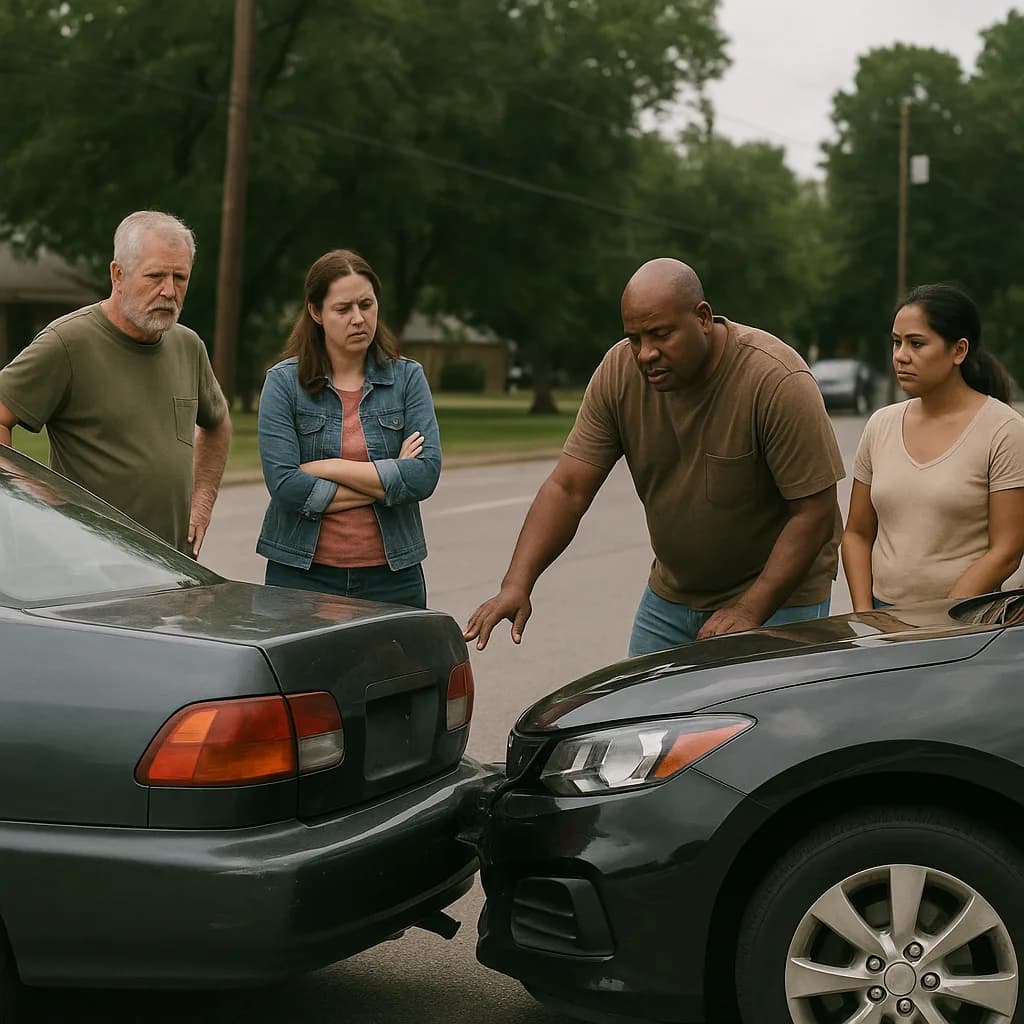
An at-fault accident appears on your Wisconsin motor vehicle record for 3 years from the accident date. The Wisconsin Department of Transportation maintains this record, and carriers pull it when you apply for coverage or at renewal. The accident also appears on your CLUE report — a claims history database maintained by LexisNexis — for 5 to 7 years depending on the claim type and severity.
Carriers surcharge based on the accident's presence in these records. Most Wisconsin carriers apply the surcharge for 3 years, matching the motor vehicle record retention period. Some carriers extend the surcharge to 5 years, particularly for severe at-fault accidents involving injury or significant property damage. The surcharge amount typically decreases each year — a carrier might apply a 30% surcharge in year one, 20% in year two, and 10% in year three before removing it entirely.
After the surcharge period ends, the accident may still appear on your CLUE report but no longer affects your premium with most carriers. A few carriers look back further than 3 years when underwriting new policies, but the majority focus on the most recent 3-year window. Once the accident ages past 3 years, your premium returns to a clean-record rate assuming no new incidents occurred.
Wisconsin Multi-Car Carriers
25 carriers
Wisconsin has 25 major carriers writing multi-vehicle policies, including State Farm, Progressive, GEICO, Allstate, and American Family. After an at-fault accident, comparing carriers is critical — surcharge schedules vary significantly, and some carriers treat first-time at-fault accidents more favorably than others.
Wisconsin carrier roster, 2025
Which Carriers Write Post-Accident Multi-Car Policies
Not all carriers treat at-fault accidents the same way. Standard-tier carriers like State Farm and American Family typically surcharge at-fault accidents but continue coverage if you have a prior clean record. A first-time at-fault accident with minimal claim payout may result in a surcharge but not non-renewal. A second at-fault accident within 3 years, or a severe first accident with injury, increases the likelihood of non-renewal at your next policy term.
If your current carrier non-renews your policy or the surcharge makes your premium unaffordable, several Wisconsin carriers specialize in post-accident households. Progressive, GEICO, and Farmers write multi-car policies for drivers with one or more at-fault accidents and often offer competitive rates compared to non-standard carriers. Dairyland, Bristol West, and The General write non-standard multi-vehicle policies for higher-risk households, though premiums are higher than standard-tier carriers. National General and GAINSCO also write post-accident multi-car policies in Wisconsin and may offer better rates than traditional non-standard carriers.
Compare Carriers Before Your Renewal Date
When your renewal notice arrives with a surcharge, you have until the renewal date to shop for a better rate. Carriers apply different surcharge schedules, and the carrier that offered the best rate before your accident may not be the best option after. A household insuring multiple vehicles should compare at least three carriers to find the lowest post-accident premium.
Request quotes that include all vehicles on your current policy and all drivers in your household. Provide accurate accident details — the date, fault determination, and claim amount — so quotes reflect the actual surcharge you'll face. Misrepresenting the accident to get a lower quote results in coverage denial at claim time. Compare the total policy premium across carriers, not just the per-vehicle rate, because multi-car discounts and surcharge schedules vary. The carrier with the lowest base rate may not have the lowest post-accident rate once surcharges apply.