What Happens When You Cause an Accident in Rhode Island
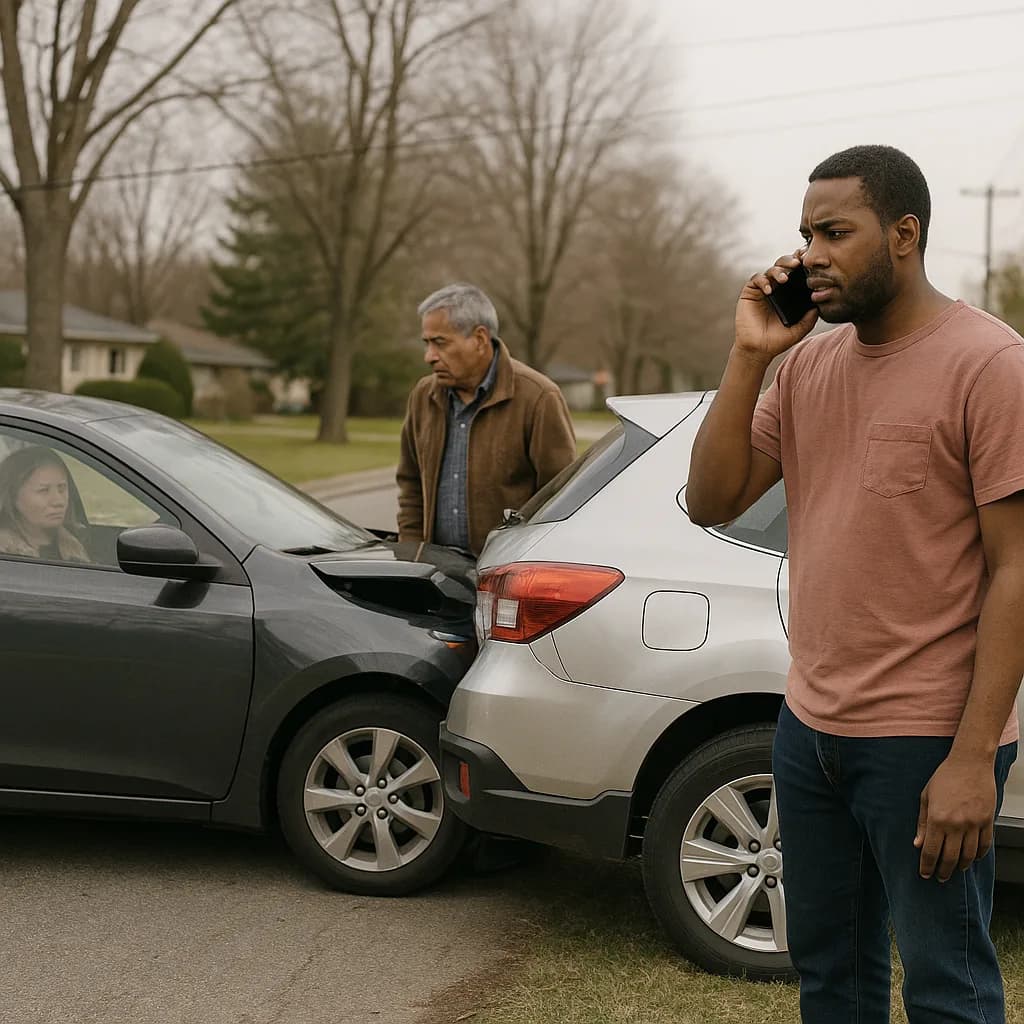
You caused an accident in Rhode Island. The other driver filed a claim. Your carrier paid their damages under your bodily injury and property damage liability coverage. Now your renewal notice shows a premium increase that applies to every car on your policy, not just the vehicle involved in the accident.
Rhode Island operates under a tort liability system. The at-fault driver's insurance pays the other party's medical bills and vehicle repairs directly. Your carrier records the claim as a chargeable accident. That record triggers a surcharge that persists for three years from the accident date and re-rates every vehicle on your household policy when renewal arrives.
Compare car insurance rates in your state
Get quotes from licensed carriers — no obligation, no spam, results in minutes.
Get Your Free QuoteRI Average Auto Premium
$1,154.63/year
Rhode Island drivers paid an average of $1,154.63 per insured vehicle in 2023. An at-fault accident surcharge adds a percentage increase on top of that base, compounded across every car on the policy.
NAIC Auto Insurance Database Report 2023
How Rhode Island's Tort System Assigns Fault and Triggers Surcharges
Rhode Island uses a pure comparative negligence rule. Any percentage of fault assigned to you makes the accident chargeable on your record.
The state's minimum liability limits are $25,000 per person for bodily injury, $50,000 per accident for bodily injury, and $25,000 for property damage. When your liability claim exceeds these minimums and you carry only the minimum coverage, you are personally liable for the excess. Carriers treat accidents that exceed policy limits as high-severity events and apply larger surcharges.
The surcharge applies for three years from the accident date. It does not matter whether the claim was $500 or $50,000. Rhode Island law does not cap surcharge percentages, so carriers set their own. When you insure multiple vehicles on one policy, the surcharge re-rates the entire policy at renewal, not just the vehicle involved.
The surcharge hits every car on your policy because the policy is rated as a household unit, not per vehicle.
What the Three-Year Surcharge Period Means for Multi-Car Households

Your carrier applies the surcharge at the first renewal after the accident. If the accident occurred in month two of your policy term and your renewal is in month twelve, the surcharge appears ten months after the accident. The three-year period runs from the accident date, so the surcharge will persist through three full renewal cycles.
If you add a vehicle to the policy during the surcharge period, that vehicle is rated under the surcharged policy from day one. If you remove a vehicle, the remaining vehicles stay surcharged until the three-year mark passes. Splitting vehicles onto separate policies to isolate the surcharge is rarely allowed mid-term and often costs more than keeping them together, because you lose the multi-car discount and pay separate policy fees.
Related Articles






How Carriers in Rhode Island Treat At-Fault Accidents
Carriers writing in Rhode Island vary in how they surcharge at-fault accidents and whether they offer accident forgiveness. State Farm, USAA, Allstate, Geico, and Progressive all write policies here. Some offer accident forgiveness as an optional endorsement that waives the first at-fault accident surcharge if you meet eligibility requirements, typically a clean record for three to five years before the accident.
Accident forgiveness does not erase the accident from your record. It prevents the surcharge from applying to your premium. The accident still appears on your motor vehicle report and on your claims history when you shop for coverage. Other carriers see it when you request a quote.
Carriers that do not offer accident forgiveness apply their standard surcharge schedule. The percentage increase depends on the carrier's filed rating plan, the severity of the claim, and your prior claims history. A second at-fault accident during the three-year surcharge period compounds the increase. Some carriers non-renew policies after two at-fault accidents in three years.
RI Uninsured Motorist Rate
12.4%
Twelve percent of Rhode Island drivers carry no insurance. If an uninsured driver hits you and you are found partially at fault under comparative negligence, your own collision coverage pays your vehicle damage and your carrier may still apply a surcharge.
Insurance Research Council, 2023
Whether Shopping Carriers After an At-Fault Accident Lowers Your Premium
Shopping carriers after an at-fault accident can lower your premium if you find a carrier that weights accidents less heavily in its rating algorithm. Carriers use different surcharge schedules. The difference compounds when you insure multiple vehicles.
Request quotes from at least three carriers. Provide accurate accident details: the date, the claim amount, and whether any injuries occurred. Omitting the accident on your application is material misrepresentation. The carrier will discover it when pulling your motor vehicle report and claims history, and may void coverage retroactively or deny a future claim.
What to Do Right Now
Pull your motor vehicle report from the Rhode Island DMV to confirm the accident date and fault determination. That date starts your three-year surcharge clock. If the accident is approaching the three-year mark, your next renewal should drop the surcharge automatically. If you are early in the period, compare carriers that write multi-car policies in Rhode Island and weight accidents differently. Provide the same household and vehicle details to each carrier so quotes reflect identical coverage. Choose the carrier that delivers the lowest combined premium across all your vehicles, not just the lowest rate on the car involved in the accident.