What Happens to Your Premium After an At-Fault Accident
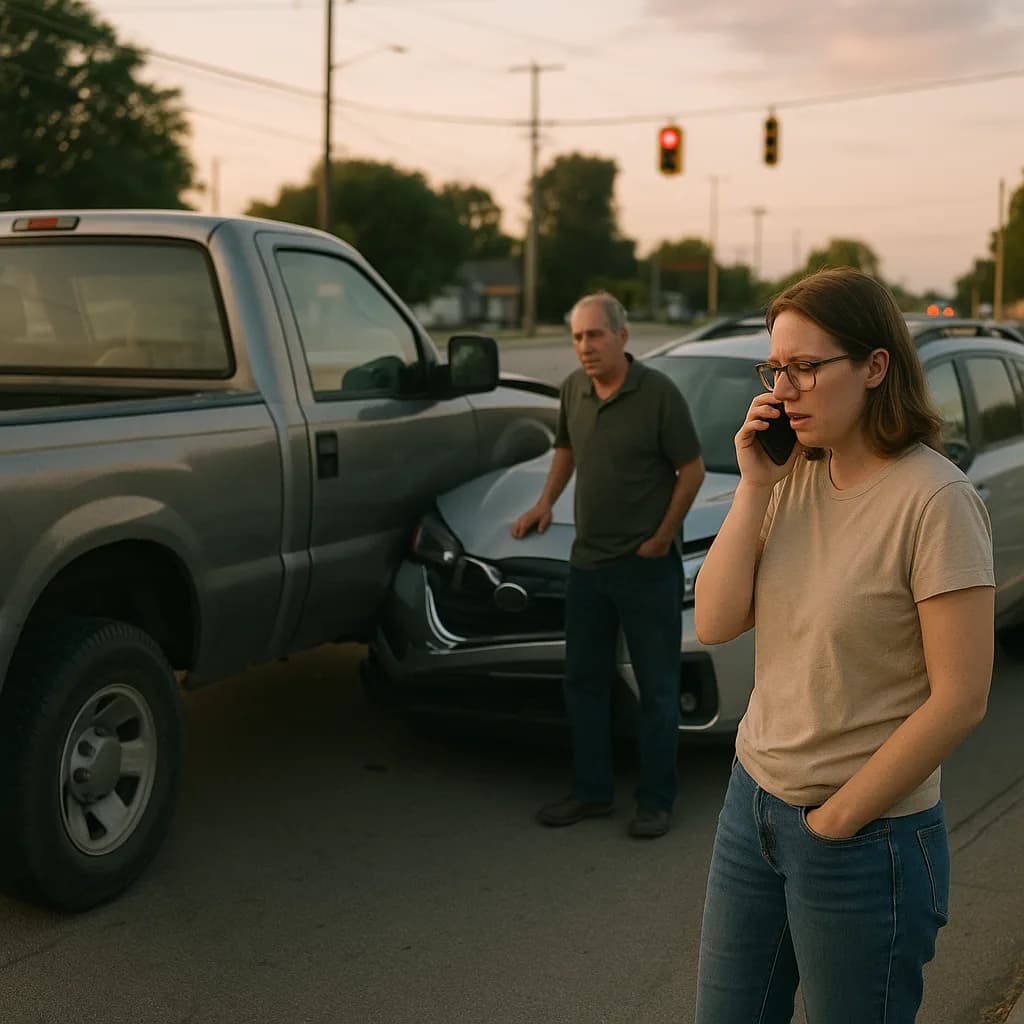
You caused an accident in Oklahoma. Your carrier paid the claim. Now your renewal notice shows a premium increase that applies to every car on your policy, not just the vehicle you were driving when the accident happened. That's not a billing error. Oklahoma carriers re-rate the entire policy when one driver on the account has an at-fault claim, because the policy is priced on household risk, not individual vehicle risk.
The surcharge amount and duration depend on three things: your carrier's filed rating plan, whether you have accident forgiveness on the policy, and how many other claims already sit on your record. Oklahoma does not cap surcharges by statute. Carriers set their own surcharge schedules and file them with the Oklahoma Insurance Department. Most carriers apply a percentage increase to your base premium and keep it in place for three to five years from the accident date.
Compare car insurance rates in your state
Get quotes from licensed carriers — no obligation, no spam, results in minutes.
Get Your Free QuoteOklahoma Uninsured Motorist Rate
12%
One in eight Oklahoma drivers carries no insurance. When an uninsured driver hits you, your own collision or uninsured motorist coverage pays your damage. If you file that claim, most carriers treat it as an at-fault surcharge trigger even though you didn't cause the accident.
Insurance Research Council, 2023
How Oklahoma's Fault System Determines Liability
Oklahoma is a fault state. The driver who caused the accident is liable for damage to other vehicles and injuries to other people. When you cause an accident, the other driver files a claim against your liability coverage. Your carrier pays up to your policy limits: $25,000 per person for bodily injury, $50,000 per accident for bodily injury, and $25,000 for property damage under Oklahoma's minimum requirements.
Your carrier does not need a police report or an admission of fault to classify the accident as chargeable. If your carrier paid a liability claim on your behalf, the accident goes on your record as at-fault. If you filed a collision claim for your own vehicle and your carrier determined you caused the accident, that claim also counts as at-fault. The carrier's internal claims adjuster makes the fault determination, not the police.
Oklahoma does not use a comparative negligence threshold for insurance surcharges. Even if you were only partially at fault, most carriers apply the full surcharge if they paid any portion of the claim under your liability or collision coverage.
The surcharge applies to your entire household policy the day your carrier closes the claim, not the day the accident happened. A claim that stays open for six months delays the surcharge start date by six months.
How Carriers Apply Surcharges to Multi-Car Policies
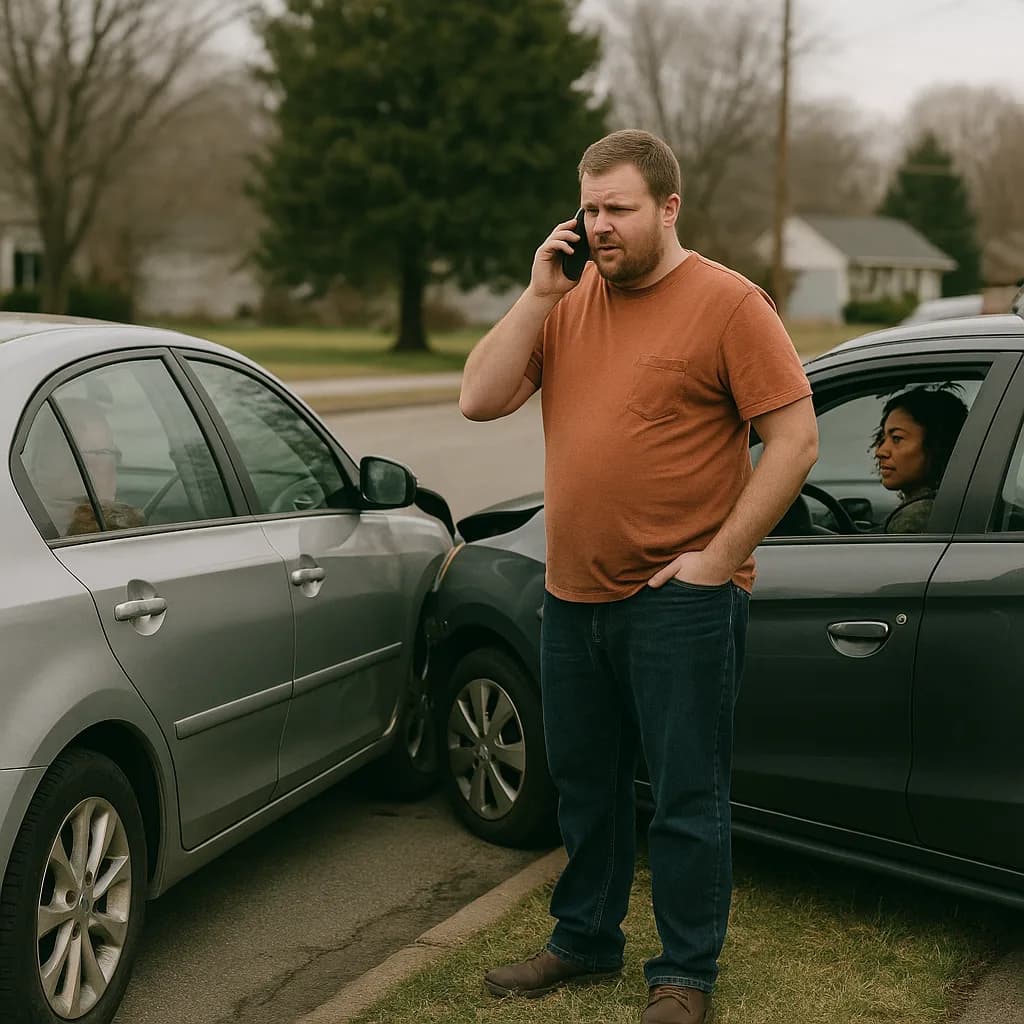
Most Oklahoma carriers calculate the surcharge as a multiplier on your total premium, not a flat dollar amount per vehicle. Carriers do not isolate the surcharge to the vehicle involved in the accident.
Accident forgiveness programs waive the first at-fault accident surcharge if you meet eligibility requirements. Most carriers require three to five years of claims-free history before accident forgiveness activates. If you already used accident forgiveness on a prior claim, the next at-fault accident triggers the full surcharge. Accident forgiveness does not remove the accident from your record. It only prevents the surcharge. The accident still appears on your claims history when you shop for coverage at renewal.
Related Articles





How Long the Surcharge Stays on Your Policy
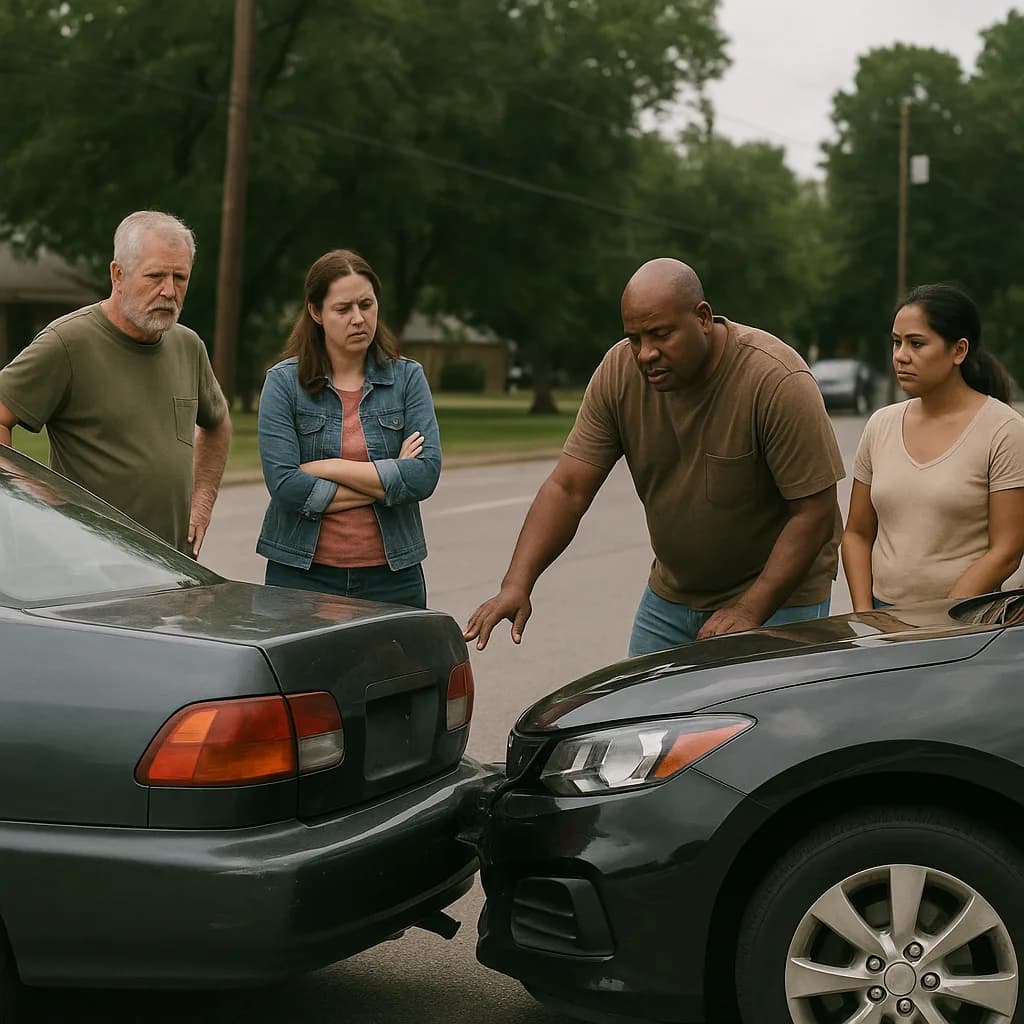
Oklahoma carriers typically apply surcharges for three to five years from the accident date. The surcharge does not drop off automatically at renewal. It stays in place until the accident ages out of your carrier's rating window. Most carriers use a three-year or five-year lookback period. Once the accident falls outside that window, your premium drops back to the base rate, assuming no new claims occurred.
The accident itself stays on your insurance record longer than the surcharge period. Oklahoma carriers report claims to the Comprehensive Loss Underwriting Exchange (CLUE), a national claims database maintained by LexisNexis. CLUE retains accident records for seven years. When you shop for coverage, the new carrier pulls your CLUE report and sees every claim filed in the past seven years, even if your current carrier no longer surcharges you for it.
Some carriers offer claim-free discounts that offset surcharges after a waiting period. If you go three years without a new claim, the carrier may apply a discount that reduces or eliminates the surcharge impact. This varies by carrier and is not required by Oklahoma law.
Oklahoma High-Risk Driver Rate Range
$206-$324/mo
Oklahoma drivers with an at-fault accident on record typically land in this monthly range. Comparing carriers after an accident often produces a lower total cost than staying and accepting the surcharge.
Ironwood rate benchmark data
Which Oklahoma Carriers Treat At-Fault Accidents Best
Not all carriers apply the same surcharge for the same accident. Oklahoma has no statutory cap on surcharges, so carriers compete on how aggressively they penalize at-fault claims. Carriers that specialize in non-standard or high-risk drivers often apply smaller surcharges than preferred-tier carriers, because their base rates already price in higher claim frequency. Shopping after an accident is not disloyal. It's the only way to see whether another carrier will insure your household at a lower total cost.
Accident forgiveness availability varies by carrier. State Farm, Geico, Progressive, and Allstate all offer accident forgiveness programs in Oklahoma, but eligibility requirements differ. Some carriers bundle accident forgiveness with their top-tier policy automatically. Others sell it as an optional endorsement. A few carriers restrict accident forgiveness to drivers over age 25 or drivers with five years of continuous coverage. Read the program terms before assuming you qualify.
What to Do After an At-Fault Accident in Oklahoma
Request a copy of your CLUE report before your renewal notice arrives. You are entitled to one free CLUE report per year through LexisNexis. The report shows every claim filed under your name, the claim amount, and the fault determination your carrier recorded. If the fault determination is wrong, dispute it with your carrier immediately. Incorrect fault coding follows you to every carrier you quote with.
Compare at least three carriers before your renewal date. Oklahoma has 20+ carriers writing multi-car policies, and surcharge schedules vary widely. Geico, Progressive, State Farm, Farmers, and Allstate all write multi-vehicle households in Oklahoma and offer online quoting tools. Enter your accident details accurately when quoting. Omitting an at-fault accident on the application gives the carrier grounds to rescind coverage or deny a future claim. Use the comparison tool on this site to see which carriers write policies for households with accident history and how they structure multi-car discounts after a claim.