When the Accident Closes and the Surcharge Begins
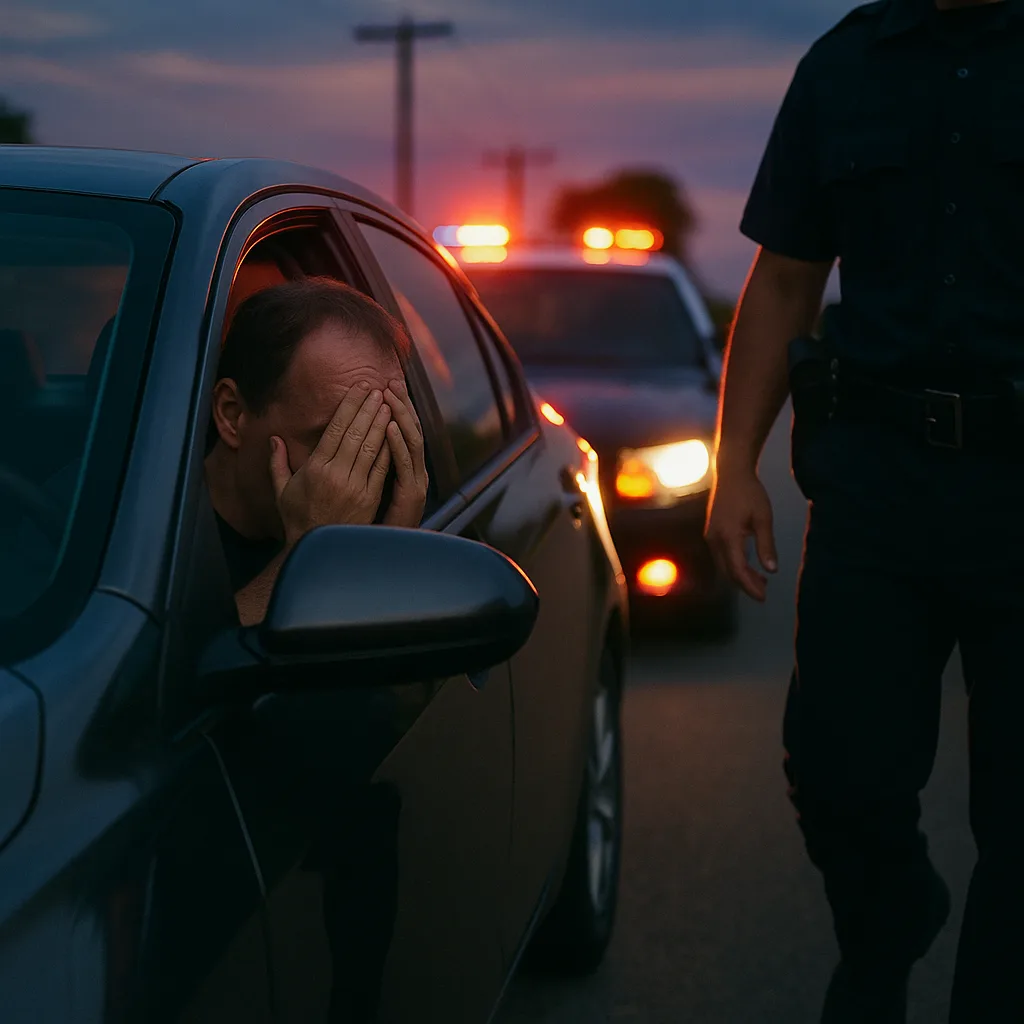
The surcharge clock starts when your carrier closes the at-fault claim, not when the accident happened. If your accident occurred in January but the claim stayed open until April while the carrier settled property damage and bodily injury, your 3-year surcharge window begins in April. North Dakota carriers re-rate your policy at the next renewal after the claim closes, which means you may see the increase 60 to 90 days after the accident depending on when your policy renews.
North Dakota uses a 3-year accident lookback measured from the claim closure date. Most states use 3 to 5 years; North Dakota's 3-year window is shorter than average but only if you maintain continuous coverage. A lapse resets the clock in most carrier underwriting systems, extending the surcharge period by the length of the lapse. The state's director-controlled reinstatement authority means any lapse longer than 30 days triggers administrative review, and reinstatement after review often requires proof of financial responsibility for the full 3-year period from the lapse date forward.
Compare car insurance rates in your state
Get quotes from licensed carriers — no obligation, no spam, results in minutes.
Get Your Free QuoteND Average Premium
$67/mo
The NAIC benchmark for general drivers is $67 per month, making North Dakota's actual average slightly higher than the national benchmark for the state.
NAIC Auto Insurance Database Report 2023
How North Dakota's Fault System Shapes the Surcharge
North Dakota is a no-fault state for injury claims but applies traditional fault rules for property damage. Your Personal Injury Protection (PIP) coverage pays your own medical bills regardless of fault, but the at-fault determination for property damage drives the surcharge. If you caused the accident, your carrier applies the surcharge even if PIP covered your injuries. The state requires PIP on every policy, and that requirement does not change after an accident, but the at-fault property damage claim is what triggers the premium increase.
The state's minimum liability limits are $25,000 per person for bodily injury, $50,000 per accident for bodily injury, and $25,000 for property damage. These are expressed as 25/50/25. If your at-fault accident resulted in a claim that exceeded your liability limits, you are personally liable for the difference, and that excess liability can trigger a judgment. An unsatisfied judgment requires SR-22 filing for one year under NDCC 39-16.1-09, which adds a second layer of cost on top of the accident surcharge.
Uninsured motorist coverage is required in North Dakota. The state's uninsured motorist rate was 10.6% in 2023, meaning roughly one in ten drivers on North Dakota roads carries no insurance. If an uninsured driver hits you and you file a claim under your own uninsured motorist coverage, that claim is not surchargeable because you are not at fault. The surcharge applies only when you are determined to be at fault for the property damage or bodily injury.
A lapse longer than 30 days resets the 3-year surcharge clock in most carrier systems and triggers NDDOT director review for reinstatement, extending the total cost window.
What Happens at Your Next Renewal

Carriers writing in North Dakota include State Farm, Geico, Progressive, Allstate, Farmers, USAA, Nationwide, Liberty Mutual, Travelers, American Family, Auto-Owners, and others. A second at-fault accident within the 3-year window compounds the surcharge, often doubling the first-accident multiplier. Some carriers tier you into a non-standard or high-risk book of business after two accidents, which changes your base rate in addition to applying the surcharge.
The surcharge applies to the entire policy, not just the vehicle involved in the accident. If you insure two cars on one policy and one car was in the at-fault accident, both cars see the premium increase at renewal. The multi-car discount remains in place, but the surcharged base rate is higher. Dropping the vehicle that was in the accident does not remove the surcharge because the surcharge follows the driver, not the vehicle. If you are the only driver on the policy, the surcharge stays until the 3-year lookback window closes.
Related Articles





Accident Forgiveness and How It Works in North Dakota
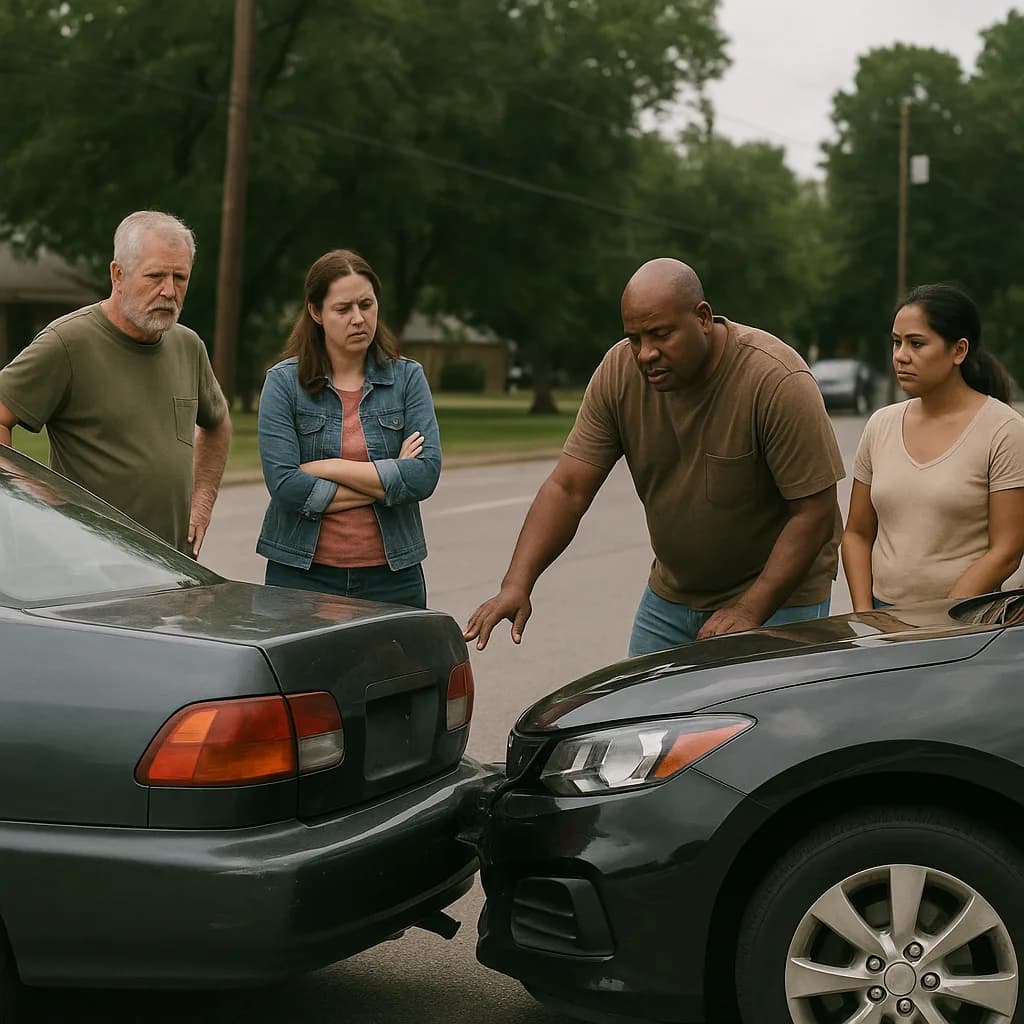
Accident forgiveness is a rider that waives the surcharge for your first at-fault accident. Not all carriers offer it in North Dakota, and those that do typically require you to purchase the rider before the accident happens. You cannot add accident forgiveness after an at-fault claim closes. State Farm, Allstate, and Nationwide offer accident forgiveness programs in North Dakota; Geico and Progressive offer limited versions tied to tenure or bundling requirements.
Accident forgiveness does not erase the accident from your record. The accident still appears on your motor vehicle report (MVR) and your CLUE report (Comprehensive Loss Underwriting Exchange), which means other carriers will see it if you shop for coverage. Accident forgiveness prevents your current carrier from surcharging you, but if you switch carriers during the 3-year lookback window, the new carrier will apply its own surcharge based on the accident in your history. The forgiveness benefit does not transfer.
If you did not have accident forgiveness before the claim closed, your options are to accept the surcharge for 3 years, shop for a carrier with a lower surcharge schedule, or reduce coverage to offset the premium increase. Dropping collision or comprehensive coverage on an older vehicle lowers your premium, but it also eliminates your ability to file a claim for damage to that vehicle. The decision depends on the vehicle's value and your risk tolerance.
ND Accident Lookback
3 years
North Dakota carriers apply accident surcharges for 3 years measured from the claim closure date. This is shorter than the 5-year lookback used in California, Florida, and several other states, but longer than the 2-year window in a few states. Maintaining continuous coverage is required to reach the 3-year mark without extension.
Standard carrier underwriting practice in North Dakota
How Multi-Vehicle Policies Absorb the Surcharge
If you insure multiple vehicles on one policy, the at-fault accident surcharge applies to the entire policy at renewal. The carrier re-rates every vehicle using the surcharged base rate, even if only one vehicle was involved in the accident. The multi-car discount remains in effect, typically 10% to 25% depending on the carrier, but that discount applies after the surcharge is calculated. A surcharged base rate with a multi-car discount is still higher than an unsurcharged base rate with the same discount.
Some households split vehicles across two policies to isolate the surcharge. If you have two cars and one driver with an at-fault accident, moving that driver and their vehicle to a separate policy keeps the surcharge off the second vehicle. This works only if the second vehicle has a different primary driver with a clean record. North Dakota carriers require accurate driver assignment; listing a high-risk driver as an occasional operator when they are the primary driver is misrepresentation and can void coverage. The savings from splitting policies must outweigh the loss of the multi-car discount, and in most cases it does not unless the surcharge is severe or the second driver qualifies for a preferred rate.
Compare Carriers That Write Accident History
Nineteen carriers write auto insurance in North Dakota, and their surcharge schedules vary significantly. State Farm and American Family typically apply lower surcharges for a first at-fault accident than Progressive or Geico, but base rates also differ. A lower surcharge on a higher base rate can cost more than a higher surcharge on a lower base rate. The only way to know which carrier offers the best post-accident premium is to compare quotes from multiple carriers at the same coverage levels.
Request quotes that match your current liability limits, deductibles, and coverage selections. If you currently carry 100/300/100 limits with a $500 collision deductible, quote the same structure at every carrier. Changing coverage levels between quotes makes comparison impossible. North Dakota requires 25/50/25 minimum liability, PIP, and uninsured motorist coverage; anything above the minimums is your choice, but consistency across quotes is required for accurate comparison. Most carriers provide online quotes; a few require broker contact. Expect the quoting process to take 20 to 40 minutes per carrier if you provide accurate vehicle and driver information upfront.