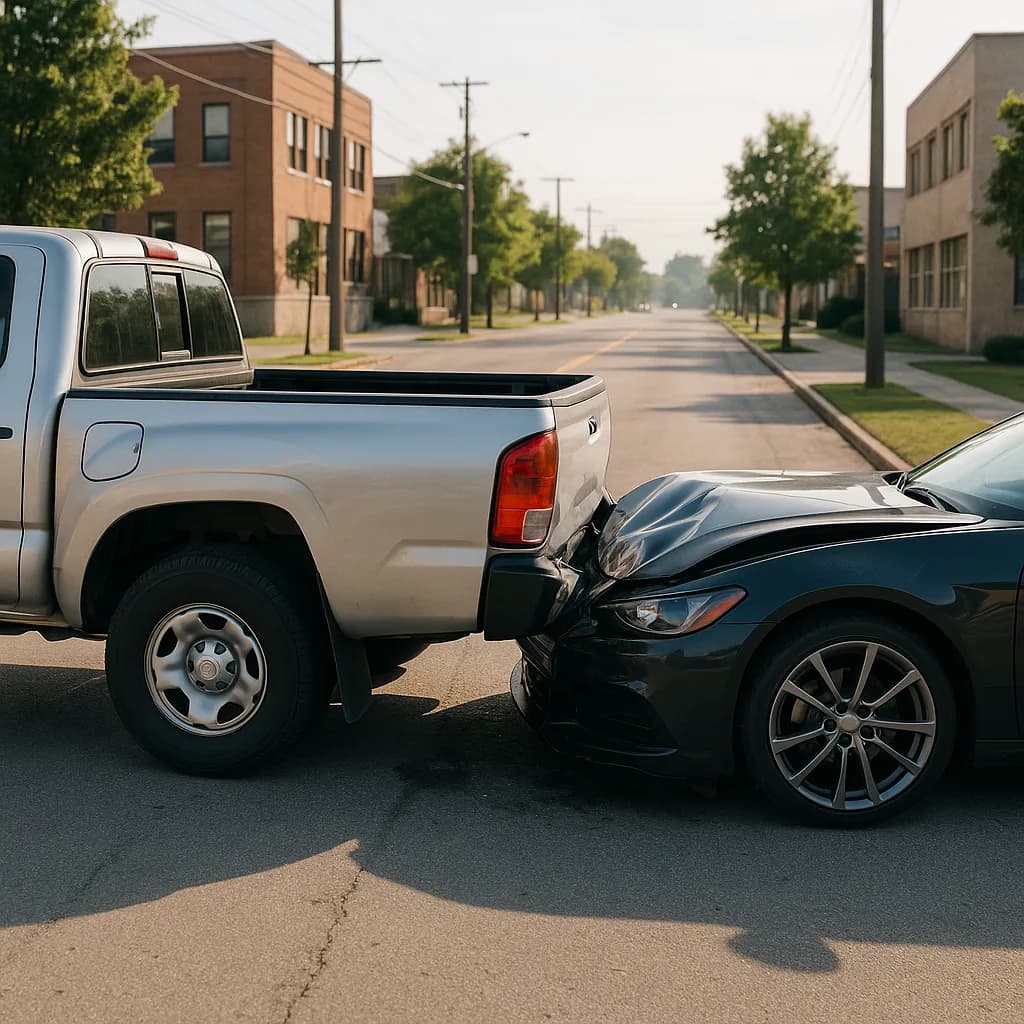
The Premium Jump After an At-Fault Accident
Your carrier just sent renewal paperwork showing a significant rate increase after an at-fault accident. The notice may say the accident is now on your record, but it does not explain how long the surcharge lasts, whether it applies to every vehicle on your multi-car policy, or whether switching to a different carrier will reset the clock. You need to know what happens next and whether you have any leverage to reduce the impact.
Nebraska carriers apply accident surcharges based on a 3-year lookback window measured from the accident date, not from the date you receive the renewal notice or the date the claim closes. The surcharge applies to the entire policy, affecting every vehicle you insure under that policy number. Switching carriers before the 3-year window closes does not eliminate the surcharge because every carrier pulls the same loss history report during underwriting.
Compare car insurance rates in your state
Get quotes from licensed carriers — no obligation, no spam, results in minutes.
Get Your Free QuoteNebraska Accident Lookback Period
3 years
Nebraska carriers typically surcharge at-fault accidents for 3 years from the accident date. The clock starts the day the accident occurs, not when the claim is filed or closed. After 3 years, the accident no longer affects your premium calculation.
Standard industry practice for Nebraska carriers
How the Surcharge Applies to Multi-Car Policies
The at-fault accident surcharge applies to the policy, not to the individual vehicle involved in the accident. If you insure three vehicles on one policy and one of them was in an at-fault accident, the surcharge affects the premium for all three vehicles. Carriers calculate the surcharge as a percentage increase applied to the base premium for the entire policy, then distribute that cost across all vehicles.
This structure means adding or removing a vehicle during the surcharge period does not change the fact that the accident is on the policy. If you add a fourth vehicle while the surcharge is active, that vehicle's premium reflects the surcharged rate from day one. The only way to isolate the surcharge to one vehicle would be to move that vehicle to a separate policy, but doing so eliminates the multi-car discount on both policies and typically costs more than absorbing the surcharge across all vehicles on one policy.
Nebraska's minimum liability limits are $25,000 per person for bodily injury, $50,000 per accident for bodily injury, and $25,000 for property damage. Carriers writing in Nebraska include State Farm, Geico, Progressive, Farmers, Allstate, and others. The surcharge percentage varies by carrier, but the 3-year lookback window is standard across the market.
Switching carriers before the 3-year window closes does not eliminate the surcharge. Every carrier pulls your CLUE report during underwriting and sees the same accident history.
Why Switching Carriers Rarely Helps During the Lookback Window
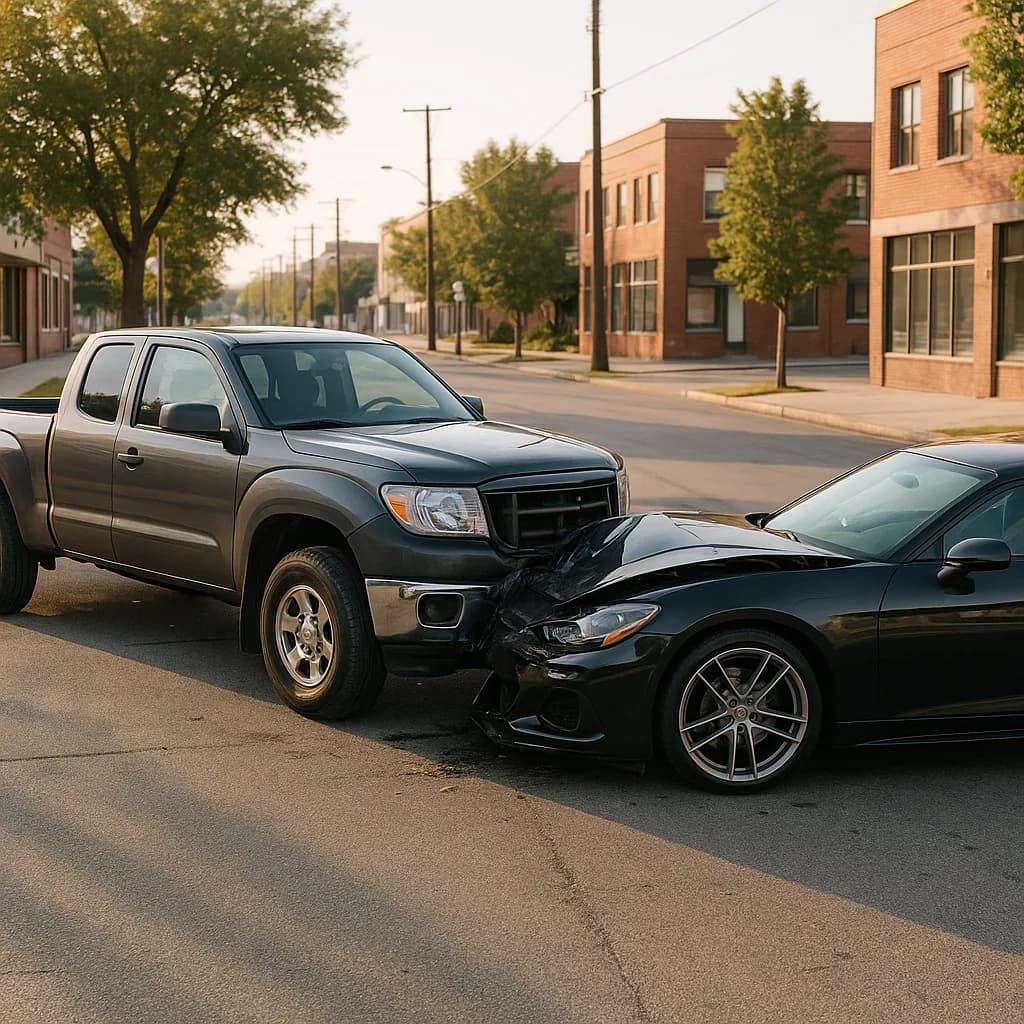
Every carrier licensed to write auto insurance in Nebraska pulls a Comprehensive Loss Underwriting Exchange (CLUE) report when you request a quote. The CLUE report is a centralized database maintained by LexisNexis that tracks all insurance claims filed under your name for the past 7 years, regardless of which carrier you were with at the time. When you switch carriers, the new carrier sees the at-fault accident on your CLUE report and applies its own surcharge based on that loss history. The surcharge percentage may differ slightly between carriers, but the accident itself does not disappear.
Switching carriers can help if your current carrier applies a higher surcharge percentage than competitors, or if your current carrier does not offer accident forgiveness but a competitor does. However, the new carrier still sees the accident and still applies a surcharge for the remainder of the 3-year lookback window. The only scenario where switching eliminates the surcharge entirely is if you switch after the 3-year window has closed and the accident has aged off the lookback period.
Related Articles





Accident Forgiveness and How It Works in Nebraska
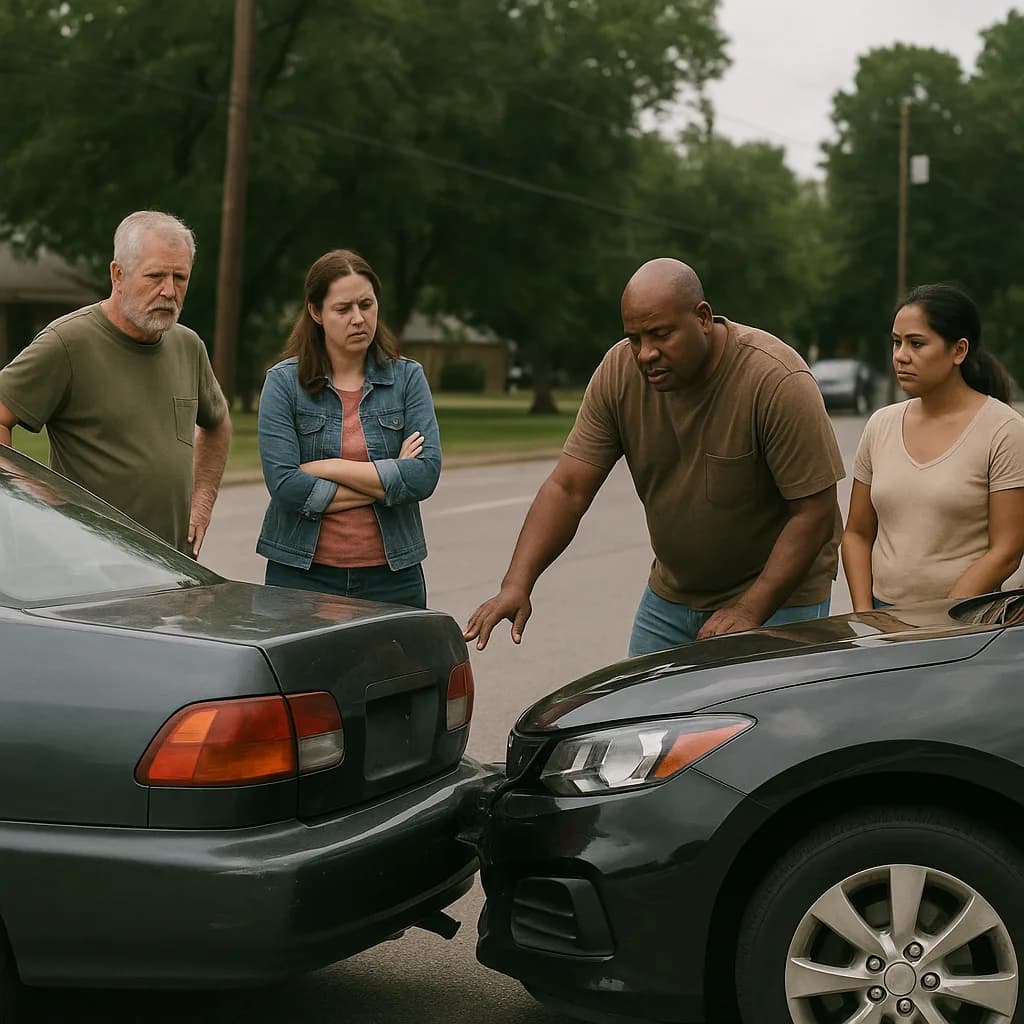
Accident forgiveness is a program offered by some carriers that waives the surcharge for your first at-fault accident if you meet eligibility requirements. Not all carriers writing in Nebraska offer accident forgiveness, and those that do typically require you to be claim-free for a set number of years before the accident occurs. If you already have accident forgiveness on your policy at the time of the accident, the carrier waives the surcharge and your premium does not increase. If you do not have accident forgiveness, you cannot add it retroactively after an accident has already occurred.
Carriers that offer accident forgiveness in Nebraska include State Farm, Geico, Progressive, and Allstate. Eligibility requirements vary: some carriers require 3 to 5 years of claim-free driving before the accident, others offer it as an optional add-on you must purchase before any accident happens, and some include it automatically for long-term customers. If you are shopping for a new policy after an at-fault accident and you do not currently have accident forgiveness, adding it to a new policy will not forgive the existing accident. It only applies to future accidents that occur after the coverage takes effect.
If your current carrier offers accident forgiveness and you were eligible at the time of the accident, confirm that the forgiveness was applied. Some carriers require you to request the waiver explicitly rather than applying it automatically. If the surcharge appears on your renewal and you believe you were eligible for forgiveness, contact your carrier's underwriting department and ask them to review your claim history and eligibility status.
Nebraska Uninsured Motorist Rate
9.5%
Nearly one in ten drivers in Nebraska operates without insurance. If you are hit by an uninsured driver and file a claim under your uninsured motorist coverage, that claim typically does not count as an at-fault accident and does not trigger a surcharge.
Insurance Research Council, 2023
What Happens When the 3-Year Window Closes
The surcharge automatically drops off your premium when the accident reaches the 3-year mark from the accident date. You do not need to request removal or notify your carrier. The carrier's underwriting system tracks the accident date and removes the surcharge at the next renewal after the 3-year window closes. If your renewal date falls 2 months after the 3-year mark, you will see the surcharge removed at that renewal. If your renewal date falls 1 month before the 3-year mark, you will pay the surcharged rate for one more term, then see the reduction at the following renewal.
Once the accident ages off the 3-year lookback window, it remains on your CLUE report for up to 7 years but no longer affects your premium calculation. Carriers only surcharge accidents within the 3-year window. After that, the accident is visible to underwriters but does not trigger a rate increase. This means if you switch carriers 4 years after an accident, the new carrier will see the accident on your CLUE report but will not apply a surcharge because it falls outside the lookback period.
Whether to Keep Full Coverage During the Surcharge Period
If you carry collision and comprehensive coverage on the vehicle involved in the at-fault accident, you may be tempted to drop those coverages to offset the surcharge. Whether that makes sense depends on the vehicle's value and how much you would lose if it were totaled or stolen. Collision coverage pays to repair or replace your vehicle after an accident regardless of fault. Comprehensive coverage pays for theft, vandalism, weather damage, and animal strikes. Both coverages carry a deductible, and both are optional unless required by a lienholder.
Dropping collision and comprehensive eliminates those premiums but leaves you without coverage if the vehicle is damaged or stolen. If the vehicle is worth less than a few thousand dollars and you could replace it out of pocket, dropping full coverage may reduce your overall cost enough to offset part of the surcharge. If the vehicle is worth more than you could afford to replace, keeping full coverage protects you from a total loss. The surcharge applies to the entire policy, so dropping coverage on one vehicle does not eliminate the surcharge on the other vehicles. It only reduces the base premium for that one vehicle, which in turn reduces the total surcharged premium slightly.
Compare Carriers That Write Multi-Car Policies in Nebraska
The best way to reduce the impact of an at-fault accident surcharge is to compare how different carriers calculate the surcharge and whether any offer accident forgiveness or other programs that reduce the increase. Nebraska has 20 carriers writing multi-car policies, including State Farm, Geico, Progressive, Farmers, Allstate, Liberty Mutual, Nationwide, USAA, Travelers, and American Family. Each carrier applies its own surcharge percentage, and some offer accident forgiveness or vanishing deductibles that can offset part of the cost. Request quotes from at least three carriers, provide the same coverage limits and deductible amounts for each, and compare the total premium for all vehicles on your policy. The carrier with the lowest surcharge percentage may not be the carrier with the lowest overall premium once the multi-car discount and other factors are applied.