
You Just Caused an Accident and Your Rate Jumped
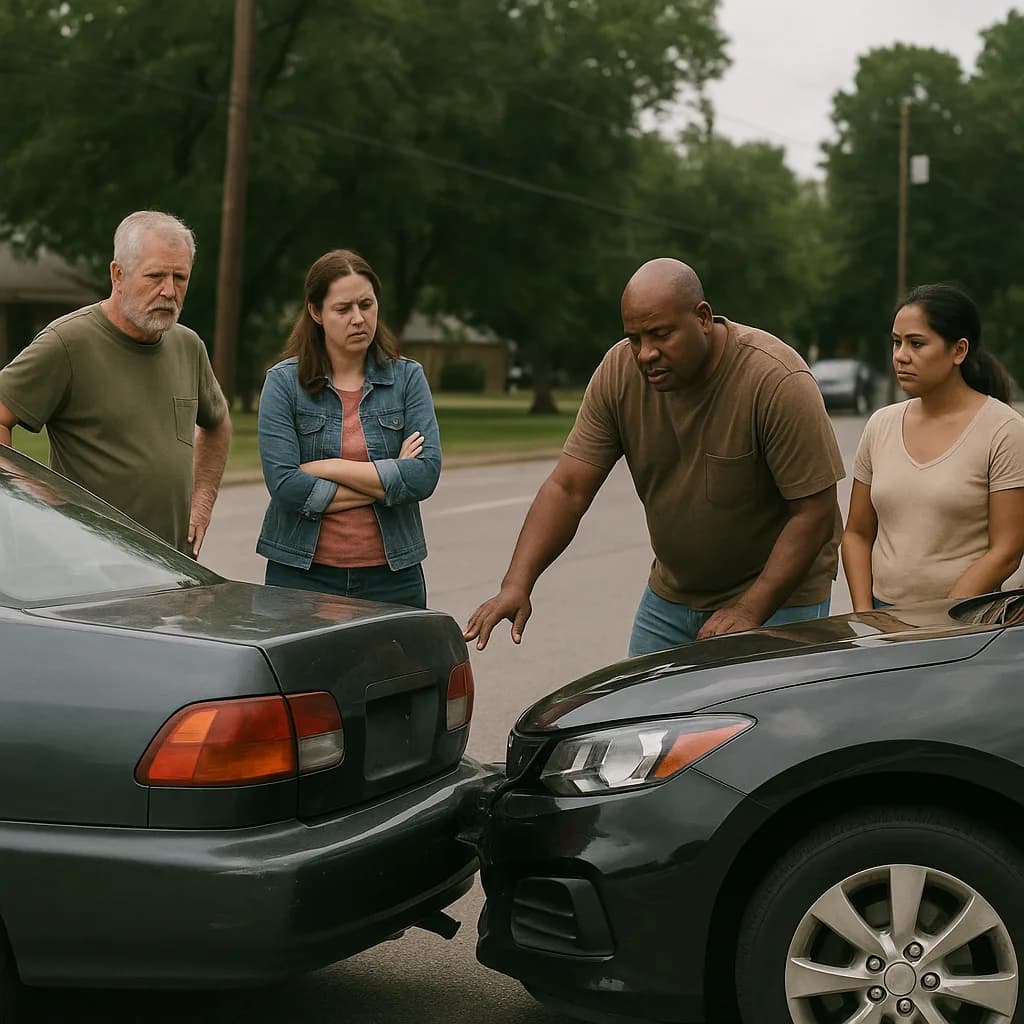
Your carrier sent a renewal notice showing a premium increase after an at-fault accident. The letter does not explain how long the surcharge lasts or whether the increase is permanent. You are managing a multi-car policy and the jump applies to every vehicle, not just the one involved in the accident.
Massachusetts uses a six-year lookback window for at-fault accidents, one of the longest in the country. The surcharge starts at your next renewal after the accident date and continues for six full years unless you qualify for accident forgiveness. Switching carriers does not erase the accident from your record — every carrier sees the same six-year history when they pull your motor vehicle report.
Compare car insurance rates in your state
Get quotes from licensed carriers — no obligation, no spam, results in minutes.
Get Your Free QuoteMassachusetts Accident Lookback
6 years
Massachusetts carriers apply a surcharge for at-fault accidents for six years from the accident date, measured at each renewal. This is longer than the three-year window most states use and affects every vehicle on your policy.
Massachusetts Division of Insurance safe driver insurance plan regulations
How the Surcharge Actually Works Across Multiple Vehicles
The at-fault accident surcharge applies to the policy, not to individual vehicles. If you insure three cars and one driver causes an accident, the premium increase hits all three vehicles at the next renewal. Massachusetts uses a Safe Driver Insurance Plan (SDIP) that assigns surcharge points based on fault determination — an at-fault accident with more than $1,000 in damage or any bodily injury adds points that translate to a percentage increase on your base premium.
A second at-fault accident within the six-year window compounds the surcharge — you carry both accidents' points simultaneously until each ages out. Carriers calculate the surcharge on your base premium before applying the multi-car discount, so the discount still applies but the total cost is higher.
Accident forgiveness programs eliminate the first at-fault accident's surcharge if you meet eligibility requirements — typically five years of accident-free driving before the incident. Not all carriers offer forgiveness in Massachusetts, and those that do often charge a premium for the endorsement. If you already carry forgiveness and use it, a second accident within six years will surcharge normally because forgiveness applies only once per policy period.
Switching carriers mid-surcharge does not remove the accident from your record. Every carrier pulls the same six-year motor vehicle history and re-underwrites from scratch, often producing a higher quote than your current renewal.
What Happens When You Shop Carriers After an Accident

Your current carrier already has you rated with tenure discounts, multi-car bundling, and any loyalty credits you accumulated before the accident. When you request quotes from a new carrier, they pull your motor vehicle report and see the at-fault accident within the six-year window. The new carrier applies their own surcharge schedule to a base rate that does not include your existing tenure — you start as a new customer with an accident on record. In many cases the new quote is higher than your current renewal, even though you are shopping for a better rate.
Some carriers specialize in post-accident business and price competitively for drivers with one at-fault incident. Bristol West, National General, and Progressive write policies for drivers with recent accidents and may offer lower rates than standard-tier carriers. Compare quotes from at least three carriers that write non-standard or accident-tolerant policies before renewing with your current carrier. If your current carrier's renewal is within 10% of the best new quote, staying often makes sense because the surcharge will drop off at the same six-year mark regardless of which carrier you choose.
Related Articles





The Six-Year Timeline and When the Surcharge Drops
The six-year lookback starts on the accident date, not the date you filed a claim or received the surcharge notice. If the accident occurred on March 15, 2023, the surcharge applies at every renewal until March 15, 2029. Carriers re-rate your policy at each renewal, so the surcharge persists even if you do not change coverage or add vehicles.
The surcharge does not decrease gradually — it applies at full percentage until the six-year mark, then drops to zero at the next renewal after that date. Some drivers mistakenly believe the surcharge reduces each year; Massachusetts SDIP points remain constant until they age out entirely. If you carry two at-fault accidents, each has its own six-year clock and each surcharge drops independently when its window closes.
Paying the claim out of pocket instead of filing does not avoid the surcharge if the other party files or if a police report documents fault. Massachusetts requires carriers to check motor vehicle records at renewal, and any at-fault accident reported to the Registry of Motor Vehicles appears regardless of whether you filed a claim with your own carrier. The only way to avoid the surcharge is to prevent the accident from being recorded as at-fault — disputing fault determination through the carrier's appeals process or through the state's SDIP hearing process.
Massachusetts Multi-Car Carriers
12 carriers
Twelve carriers write multi-vehicle policies in Massachusetts and accept drivers with at-fault accidents. Not all offer competitive post-accident rates — compare quotes from carriers that specialize in non-standard or accident-tolerant business before renewing.
Massachusetts Division of Insurance licensed carrier roster
How Adding or Removing Vehicles Affects the Surcharge
Adding a vehicle to your policy mid-term triggers a re-rate that applies the current surcharge to the new vehicle immediately. If you buy a third car two years after an at-fault accident, that car's premium includes the surcharge even though it was not involved in the incident. The surcharge applies at the policy level, so every vehicle on the policy carries the same percentage increase until the six-year window closes.
Removing a vehicle does not reduce the surcharge percentage but does lower the total premium because fewer vehicles are being surcharged. Some drivers consider moving one vehicle to a separate policy to isolate the surcharge, but Massachusetts carriers typically require all household vehicles to be listed on one policy or explicitly excluded. Splitting vehicles across policies without proper exclusion can result in coverage denial at claim time if the carrier discovers an undisclosed household vehicle.
Compare Carriers That Write Post-Accident Multi-Car Policies
The best action after an at-fault accident is to compare quotes from carriers that write multi-vehicle policies for drivers with accidents on record. Request quotes within 30 days of your renewal notice so you have time to evaluate options before the renewal binds. Provide accurate accident details — the date, fault determination, and claim amount — because carriers verify this information against your motor vehicle report and any discrepancy can void the quote or cancel the policy after binding.
Focus on carriers that write non-standard or accident-tolerant business and offer multi-car discounts. Geico, Progressive, and National General write policies for Massachusetts drivers with recent at-fault accidents and bundle multiple vehicles. Compare the total six-year cost, not just the first-year premium, because some carriers front-load the surcharge while others spread it evenly. If your current carrier's renewal is competitive and you have tenure discounts, staying may cost less over the full six-year window than switching to a carrier that offers a lower first-year rate but no loyalty credit.