When the Accident Hits Your Premium
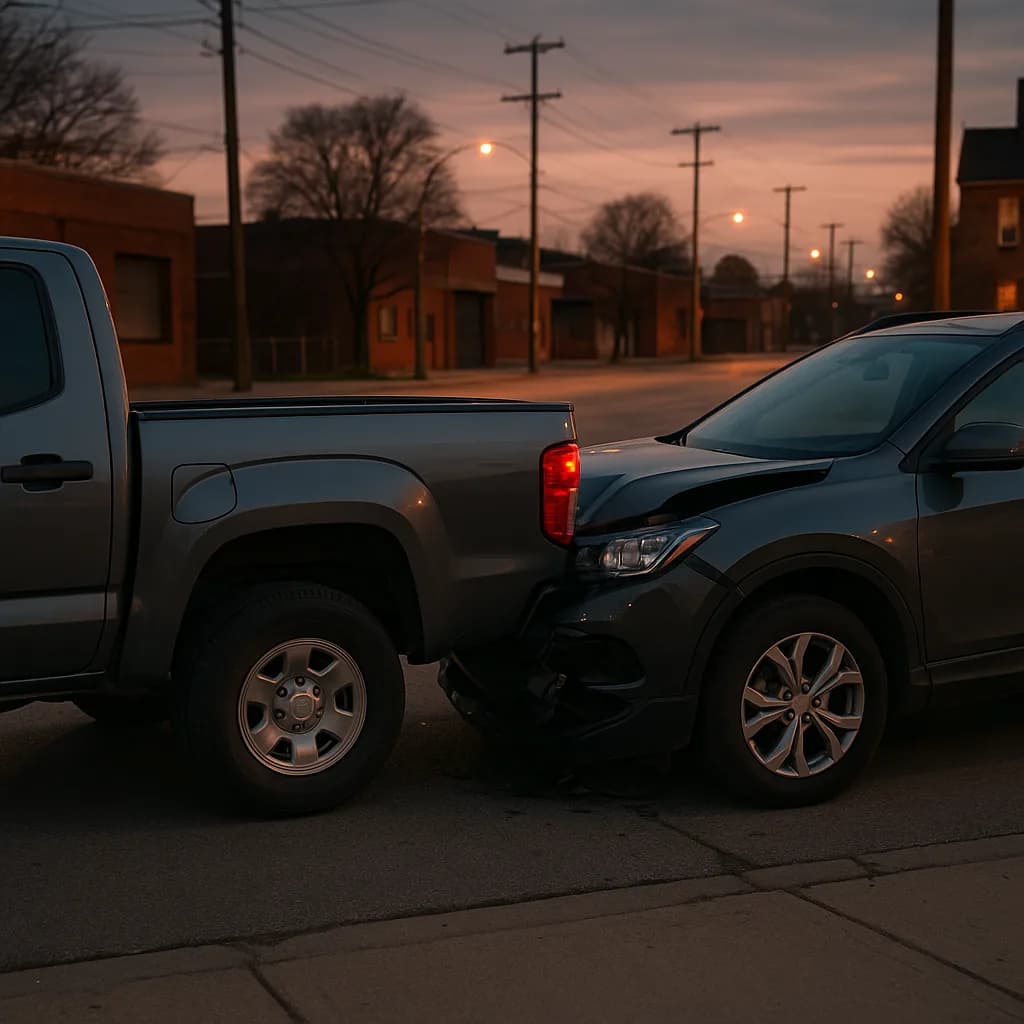
You caused an accident in Illinois. The claim closed weeks or months ago, but now your renewal notice arrived and the premium jumped. The carrier didn't warn you about the size of the increase, and you're trying to figure out whether this is normal or whether you're being overcharged.
Illinois carriers apply an at-fault accident surcharge that lasts three years from the accident date. The surcharge amount is not regulated by the state — each carrier sets its own multiplier based on your driving history, the claim amount, and whether you carry multiple vehicles on the policy. This article walks through exactly how the surcharge works, how long it lasts, and what your options are when the renewal lands.
Compare car insurance rates in your state
Get quotes from licensed carriers — no obligation, no spam, results in minutes.
Get Your Free QuoteIllinois Accident Surcharge Period
3 years
Illinois carriers apply the at-fault accident surcharge for three years measured from the accident date, not from the date the claim closed or the next policy renewal. If the accident occurred mid-term, the surcharge begins at the next renewal and runs for three full years from the original accident date.
Illinois Department of Insurance carrier rate filing guidelines
How Illinois Carriers Rate At-Fault Accidents
Illinois does not regulate accident surcharge amounts. The state requires carriers to file their rating plans with the Department of Insurance, but each carrier decides how much weight to assign to an at-fault accident. A carrier that writes preferred-tier business may apply a 25% surcharge for a first accident with no prior violations.
The surcharge applies to your base premium, not to the total policy cost. If you carry collision and comprehensive coverage, the surcharge affects the liability portion of the premium but not the physical damage portion in most carrier rating plans. If you carry multiple vehicles on one policy, the surcharge typically applies to the entire policy, not just the vehicle involved in the accident.
Carriers also distinguish between a first at-fault accident and a second or third. A driver with one prior accident who causes a second accident within the three-year window faces a compounded surcharge — the first accident's surcharge is still active, and the second accident adds another layer. Some carriers will non-renew a policy after two at-fault accidents in three years rather than continuing coverage at a higher rate.
The three-year window starts at the accident date, not the renewal date. If your accident occurred eight months ago and you're renewing now, you have 28 months of surcharge remaining.
What Counts as At-Fault in Illinois

An accident is considered at-fault if your carrier paid a liability claim on your behalf, or if the other driver's carrier subrogated against your policy. If you rear-ended another vehicle, changed lanes into another car, or ran a stop sign and caused a collision, the accident is at-fault regardless of whether the police issued a ticket. If the other driver filed a claim against your policy and your carrier paid it, the accident appears on your record as at-fault.
Not-at-fault accidents — where the other driver was responsible and their carrier paid the claim — do not trigger a surcharge in Illinois. However, if you filed a collision claim with your own carrier and the other driver was uninsured or underinsured, some carriers treat that as a chargeable event even though you were not at fault. This is carrier-specific and depends on whether your policy includes collision coverage and whether your carrier successfully subrogated the claim.
Related Articles






How Long the Surcharge Lasts and When It Drops
The surcharge runs for three years from the accident date. If the accident occurred on March 15, 2023, the surcharge applies through March 15, 2026. At your first renewal after that date, the surcharge drops and your premium returns to the base rate for your current risk profile.
The surcharge does not phase out gradually. It applies at the full amount for the entire three-year period, then disappears at the three-year mark. Some drivers assume the surcharge will decrease each year, but Illinois carriers apply the surcharge as a flat multiplier for the full term.
If you switch carriers during the three-year window, the new carrier will see the accident on your motor vehicle record and apply their own surcharge. Shopping for a new carrier does not reset the three-year clock, but it can reduce the surcharge amount if the new carrier rates accidents less aggressively than your current carrier. Illinois has 30 carriers writing auto insurance with varying accident-rating models, and the difference between the most and least aggressive can exceed 30% on the same driving record.
Illinois Auto Insurance Market
30 carriers
Illinois has 30 carriers actively writing personal auto insurance policies, including standard, preferred, and non-standard tiers. Carriers with accident-forgiveness programs or lower accident surcharges include State Farm, Allstate, and Progressive, though eligibility varies by prior claims history and policy tenure.
Illinois Department of Insurance licensed carrier roster
Comparing Carriers After an At-Fault Accident
When your renewal lands with a surcharge, compare quotes from at least three carriers before deciding whether to stay or switch. Carriers rate accidents differently, and the carrier that offered the best rate before the accident may not be the best option after the surcharge applies. State Farm and Allstate both write large volumes of Illinois auto insurance and have accident-forgiveness programs for drivers who meet tenure and claims-free requirements, but those programs typically require five years of prior coverage with the carrier before the accident.
Non-standard carriers like Progressive, Dairyland, and Bristol West write policies for drivers with accident history and may offer lower surcharges than standard-tier carriers, though their base rates are higher. A lower surcharge on a higher base rate can still produce a lower total premium than a higher surcharge on a lower base rate. Run the full quote with all vehicles and coverage limits to see the actual cost difference.
What to Do When the Renewal Notice Arrives
Pull quotes from three carriers that write policies for drivers with at-fault accidents in Illinois. Provide the same coverage limits, deductibles, and vehicle information to each carrier so the quotes are comparable. Illinois requires minimum liability limits of $25,000 per person, $50,000 per accident, and $20,000 for property damage, but if you carry higher limits or full coverage, make sure each quote reflects your current coverage structure.
If you carry multiple vehicles on one policy, ask each carrier how the surcharge applies across the policy. Some carriers apply the surcharge to the entire policy premium; others apply it only to the vehicle involved in the accident. If the accident involved one of three cars on your policy, the difference in how the surcharge is allocated can change the total premium by hundreds of dollars per year. Compare the full policy cost, not just the per-vehicle rate, and verify that the multi-car discount still applies after the accident surcharge is added.