The Multi-Car Policy Re-Rating Reality
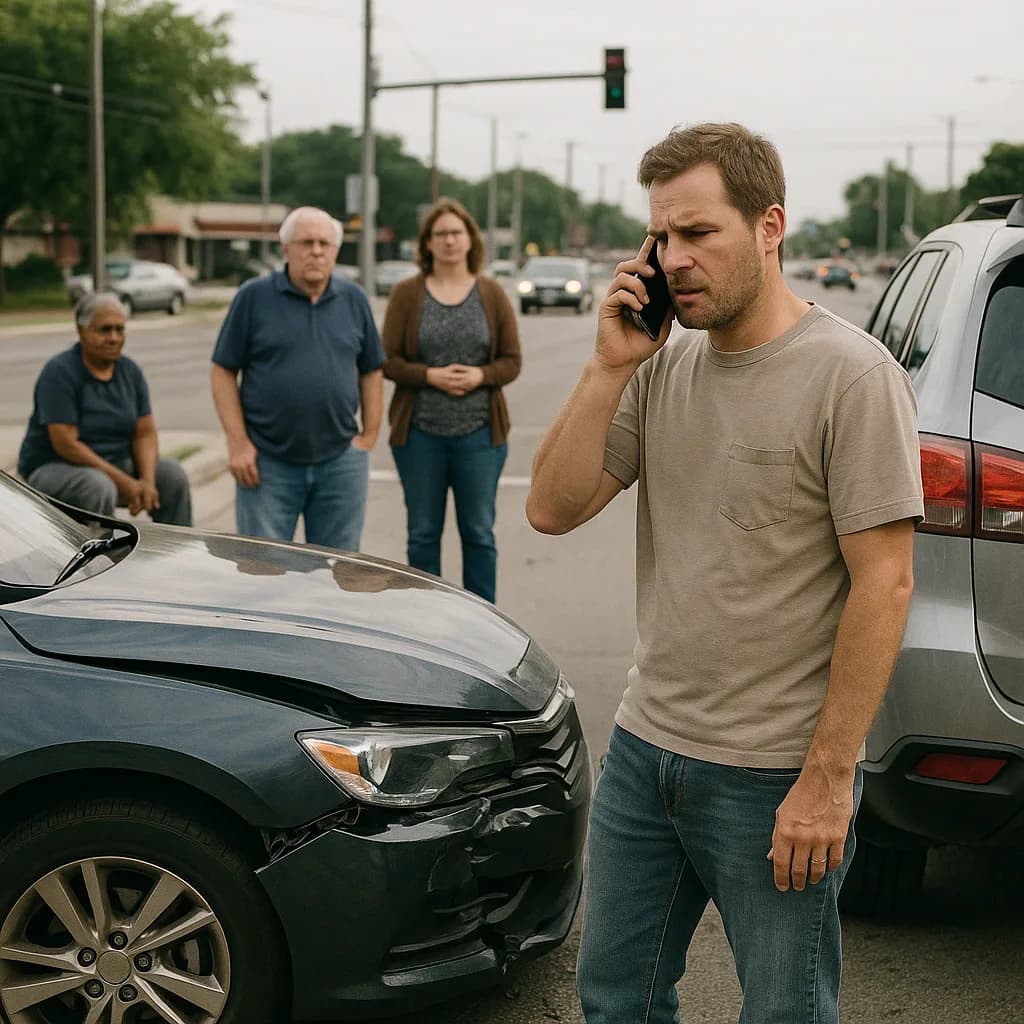
An at-fault accident in Delaware doesn't just affect the car you were driving when the crash happened. When you're insuring two or more vehicles on one policy, the accident re-rates the entire policy at renewal. That means every car you insure gets repriced based on the new risk profile, not just the vehicle involved in the collision.
This catches most multi-car households off guard. You might assume the surcharge applies only to the car that was in the accident, or that your other vehicles stay at their current rate. Delaware carriers don't work that way. The policy is the unit of pricing, and an at-fault accident changes the policy's risk tier. Every vehicle on that policy gets re-rated when the renewal processes.
Compare car insurance rates in your state
Get quotes from licensed carriers — no obligation, no spam, results in minutes.
Get Your Free QuoteDelaware Uninsured Motorist Rate
17.6%
Nearly one in six Delaware drivers carries no insurance, which increases the likelihood that your at-fault accident involves an uninsured party and complicates the claims process. Collision coverage becomes critical in multi-car households where one accident can trigger policy-wide re-rating.
Insurance Information Institute, 2023
How Delaware Carriers Apply At-Fault Surcharges
Delaware law does not cap accident surcharges or mandate forgiveness programs. Carriers set their own surcharge schedules and apply them at policy renewal. The surcharge typically lasts three years from the accident date, and it applies to the policy as a whole.
When you're insuring multiple vehicles, the surcharge multiplies across every car. A household with three cars on one policy pays the surcharge three times over, once per vehicle. The total premium increase is larger than what a single-car household would see for the same accident.
Carriers writing in Delaware that handle multi-car policies after an at-fault accident include Geico, Progressive, State Farm, Allstate, Farmers, and National General. Each uses a different surcharge formula. Some carriers tier by accident severity, others by claim amount, and a few apply flat-percentage increases regardless of fault details. The variation is wide enough that comparing carriers after an accident is not optional.
The at-fault accident re-rates every vehicle on your policy at renewal, not just the car involved in the crash. Multi-car households face policy-wide repricing.
The Renewal Window and Your Options
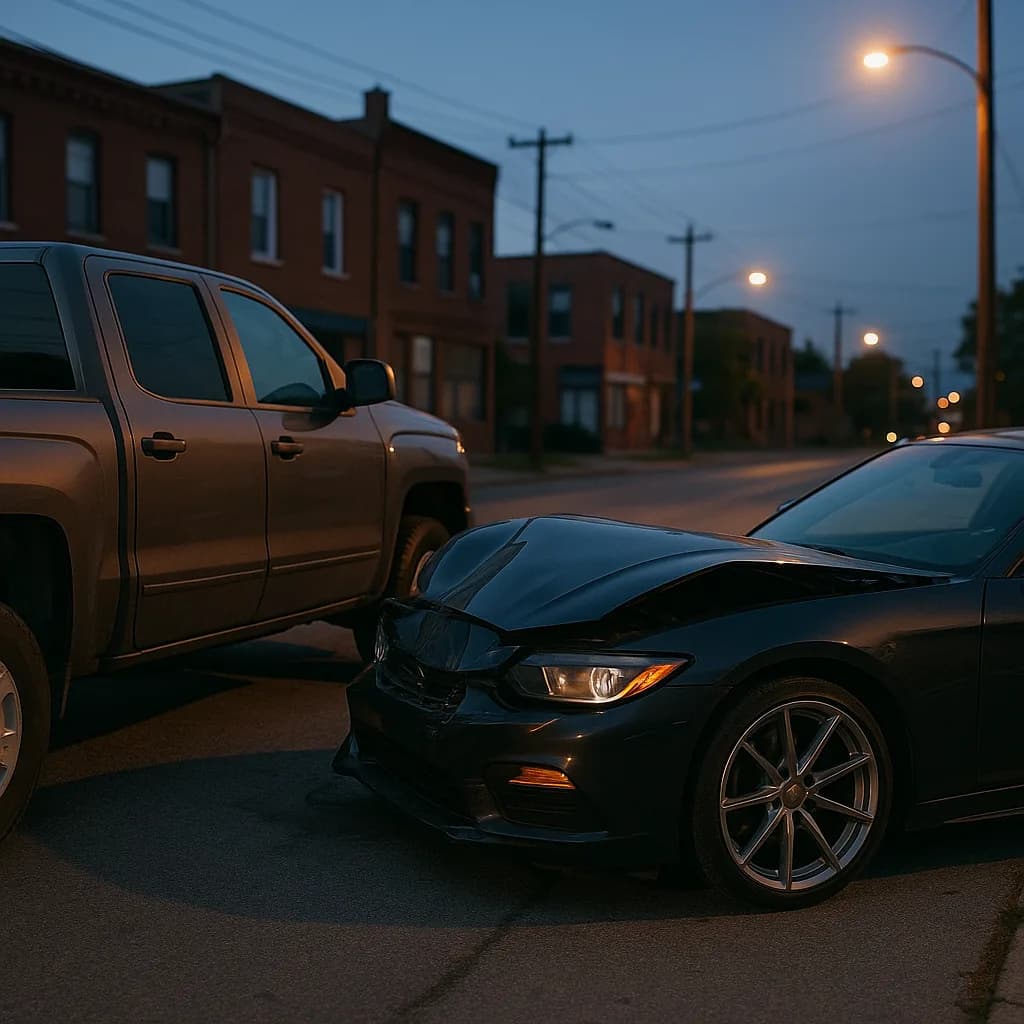
Delaware carriers apply the surcharge at the first renewal after the accident is reported and processed. If your renewal is 60 days out and the claim closes before then, the surcharge hits that renewal. If the claim is still open at renewal, some carriers apply the surcharge retroactively once the claim closes, others wait until the next renewal cycle. You cannot delay the surcharge by delaying the claim, but you can use the time before renewal to compare carriers and find one that prices your post-accident household lower than your current insurer would.
The multi-car discount still applies after an at-fault accident. You don't lose the discount itself, but the base rate that the discount applies to increases. A smaller discount on a higher base rate often costs more than the pre-accident premium even with the discount intact. Some households split their vehicles across two policies to isolate the surcharge to one car, but that forfeits the multi-car discount entirely and usually costs more than keeping everything on one policy and switching carriers.
Related Articles




State Minimum Liability and Coverage Decisions After an Accident
Delaware requires $25,000 bodily injury per person, $50,000 bodily injury per accident, and $10,000 property damage. Personal injury protection is mandatory. These minimums do not change after an at-fault accident, but your exposure does.
An at-fault accident on your record makes you a higher-risk driver in the eyes of every carrier. If you're carrying only state minimums across multiple vehicles, a second at-fault accident could push you into non-standard territory where fewer carriers compete and rates climb sharply.
Collision and comprehensive coverage on older vehicles becomes a tougher call after an accident. If the vehicle's value is low and the collision premium after the surcharge is high, dropping collision on that car can offset part of the policy-wide increase. Run the math per vehicle.
Delaware Average Annual Auto Premium
Multi-car households typically pay less per vehicle due to the multi-car discount, but an at-fault accident can push the per-vehicle cost above the state average depending on the surcharge and the carrier's post-accident pricing tier.
NAIC Auto Insurance Database Report, 2023
Which Carriers Write Multi-Car Policies After At-Fault Accidents
Not all carriers treat accident history the same way. Geico, Progressive, and National General write multi-car policies after at-fault accidents and compete aggressively for post-accident households. State Farm and Allstate also write this business but tend to price higher after the first accident. Farmers writes selectively and may decline to renew a multi-car policy after a second at-fault accident within three years.
Direct Auto and The General specialize in non-standard auto insurance and write multi-car policies for drivers with accident history, but their base rates are higher than standard carriers even before the surcharge. Dairyland writes high-risk multi-car policies in Delaware and often beats Direct Auto and The General on price for households with two accidents in three years.
What to Do Before Your Renewal Processes
Request quotes from at least three carriers before your renewal date. Give each carrier the same coverage limits, deductibles, and vehicle list so the quotes are comparable. The post-accident surcharge varies enough between carriers that the lowest-priced carrier before the accident is rarely the lowest-priced carrier after.
If your current carrier sends a renewal notice with a sharp increase, do not assume that's the best available rate. Delaware is a competitive state for multi-car policies and carriers bid for post-accident business. Compare the renewal quote against Geico, Progressive, and National General at minimum. If you're insuring three or more vehicles, add State Farm and Farmers to the comparison.