
USAA Multi-Car Policy After a Claim
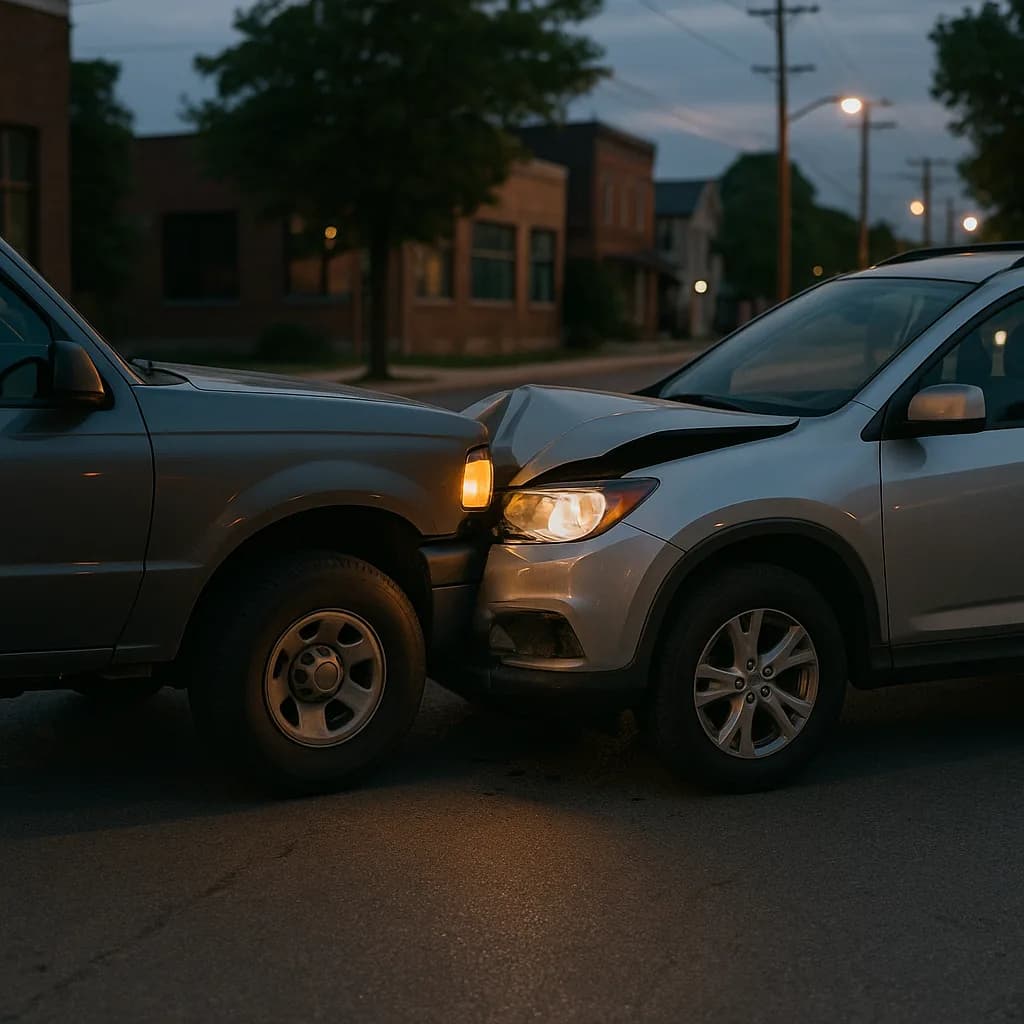
You had an accident while carrying two or more vehicles on a USAA policy. The claim is filed, the damage is being handled, and now you're trying to understand what happens to your premium when USAA re-rates the policy at renewal. You know the accident will raise your rate, but you don't know whether it affects every vehicle on the policy, whether your multi-car discount survives, or whether adding or removing a car mid-term changes the forgiveness calculation.
USAA structures accident forgiveness and multi-car discounts at the policy level, not the vehicle level. That structural reality means a single at-fault accident on one car triggers a surcharge that re-rates the entire policy, and any vehicle change between the accident and renewal can reset the forgiveness eligibility window or eliminate the discount entirely. The interaction between these two mechanics is where most multi-car USAA members lose money without realizing it.
Compare car insurance rates in your state
Get quotes from licensed carriers — no obligation, no spam, results in minutes.
Get Your Free QuoteAt-Fault Accident Premium Increase
43-55%
USAA applies accident surcharges as a percentage increase to the base premium. The increase applies to the entire multi-car policy, not just the vehicle involved in the claim. The surcharge typically remains for three to five years from the accident date.
Insurance.com 2026 accident/ticket study + Bankrate 2025
How USAA Accident Forgiveness Works on Multi-Car Policies
USAA offers accident forgiveness to members who meet specific eligibility requirements: typically five years of membership, no at-fault accidents in the prior five years, and enrollment in the program before the accident occurs. The forgiveness applies to the first at-fault accident on the policy, and it prevents the surcharge from applying at renewal. The critical structural detail: forgiveness is tied to the policy, not to a specific vehicle or driver.
If you add a vehicle to the policy after the accident but before renewal, USAA re-rates the entire policy to reflect the new vehicle. That re-rating can reset the forgiveness calculation or apply the surcharge retroactively to the new vehicle count. If you remove a vehicle, USAA recalculates the multi-car discount, and the surcharge percentage may shift because the base premium changed. Either action can forfeit the forgiveness benefit you thought you had locked in.
The safest path: do not add or remove vehicles between the accident date and the renewal date if you are relying on accident forgiveness. Wait until the policy renews with forgiveness applied, then make vehicle changes on the new term. USAA's system treats mid-term changes as policy modifications, and modifications can void forgiveness eligibility depending on the specific program terms in your state.
Adding or removing a vehicle mid-term after an accident can forfeit USAA accident forgiveness or trigger a surcharge recalculation across every car on the policy.
What Happens to Your Multi-Car Discount After the Accident

USAA calculates the multi-car discount first, then applies the accident surcharge to the discounted premium. The discount saved you money, but the surcharge still increased your cost significantly.
If you drop a vehicle to lower your premium after the accident, you lose part of the multi-car discount because fewer vehicles qualify. USAA recalculates the discount based on the new vehicle count, which raises the base premium before the surcharge applies. The result: dropping a car can increase your per-vehicle cost even though your total premium drops. The structural trap is that the discount and the surcharge interact in ways that make intuitive cost-cutting moves backfire.
Related Articles





USAA Non-Renewal Risk After Multiple Accidents
USAA does not automatically non-renew members after a single at-fault accident, but a second at-fault accident within three years significantly raises non-renewal risk. USAA evaluates the entire policy at renewal, not individual vehicles or drivers. If your household has multiple drivers and one driver has two accidents, USAA may non-renew the entire multi-car policy, not just the driver or vehicle involved.
The non-renewal decision is state-specific and depends on USAA's underwriting guidelines in your state. Some states require USAA to offer renewal even after multiple accidents, but at a higher premium tier. Other states allow USAA to non-renew after two at-fault accidents in a rolling three-year window. If USAA non-renews your policy, every vehicle on that policy loses coverage, and you must find a new carrier willing to write a multi-car policy for a household with recent accident history.
Carriers that write multi-car policies for drivers with accident history include Progressive, Geico, Nationwide, and Direct Auto. These carriers typically charge higher premiums than USAA, but they write policies USAA will not renew. Compare quotes from at least three carriers before your USAA renewal date if you have two accidents on your record. Waiting until after non-renewal forces you into a coverage gap, which raises your premium further.
National Multi-Car Carrier Roster
34 carriers
Thirty-four carriers write multi-car policies nationally, including USAA, Progressive, Geico, State Farm, Allstate, Nationwide, and Direct Auto. Not all carriers write policies for drivers with recent accident history, and not all offer accident forgiveness. Compare carriers that write your household's vehicle count and accident profile.
NAIC 2023 Auto Insurance Database
Adding a Vehicle to USAA After an Accident
You bought a third car six months after an at-fault accident, and you need to add it to your USAA policy. USAA requires you to report the new vehicle within a specific grace period, typically 14 to 30 days depending on your state. The new vehicle is covered under your existing policy during the grace period, but USAA re-rates the entire policy when you formally add the car. That re-rating applies the accident surcharge to the new three-car premium, not just the two-car premium you had before.
The re-rating can also reset your accident forgiveness eligibility if you enrolled in forgiveness after the accident but before adding the vehicle. USAA treats the vehicle addition as a policy modification, and some forgiveness programs require no policy modifications between enrollment and the first accident. Check your forgiveness program terms before adding a vehicle mid-term. If the terms prohibit modifications, wait until renewal to add the car, or accept that adding it now may void forgiveness at renewal.
What to Do Right Now
Contact USAA and confirm your accident forgiveness eligibility status, the surcharge percentage applied to your policy, and whether any vehicle changes between now and renewal will affect forgiveness. Ask specifically whether adding or removing a vehicle mid-term voids forgiveness or recalculates the surcharge. USAA's customer service can pull your policy details and tell you the exact impact of any vehicle change you're considering.
If USAA confirms that vehicle changes void forgiveness or trigger a surcharge recalculation, delay the change until after renewal. If you must add or remove a vehicle immediately, compare the cost of forfeiting forgiveness against the cost of waiting. Run quotes from Progressive, Geico, and Nationwide for your current vehicle count and your planned vehicle count to see whether switching carriers saves money compared to staying with USAA and losing forgiveness. Multi-car policies with accident history are competitive right now, and carriers are pricing aggressively to win households away from USAA.