
When One Accident Hits Every Car on Your Policy
You had an at-fault accident in one of your household's vehicles. The General sent a renewal notice showing a rate increase that applies not just to the car involved in the accident, but to every vehicle on your policy. You expected the damaged car's premium to rise, but you did not expect the surcharge to spread across all three cars your household insures.
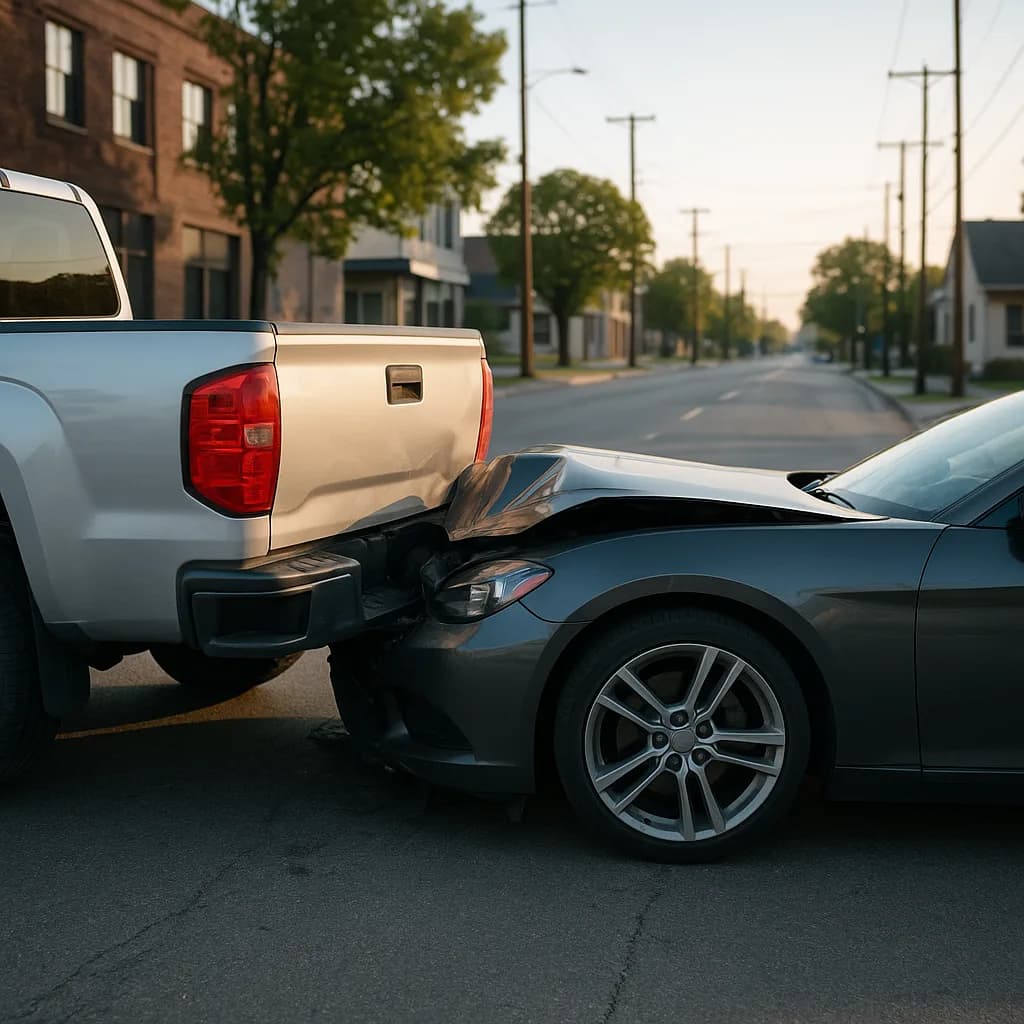
The General structures its accident surcharge as a policy-level adjustment, not a vehicle-specific one. When you carry multiple cars on one policy and one vehicle has an at-fault accident, the carrier re-rates the entire policy based on the household's new risk profile. This means the accident surcharge affects every vehicle you insure, even those never involved in a claim.
Compare car insurance rates in your state
Get quotes from licensed carriers — no obligation, no spam, results in minutes.
Get Your Free QuoteNational Carriers Writing Post-Accident Coverage
21 carriers
The General is one of 21 national carriers verified to write coverage for drivers with at-fault accidents on record. Comparing carriers after an accident often reveals significant premium differences, because each carrier prices accident risk differently across multi-vehicle policies.
NAIC carrier roster data, 2026
How The General Prices Accident Risk Across Multiple Vehicles
The General calculates your premium by assigning a base rate to each vehicle, then applying household-level adjustments including the multi-car discount and any surcharges triggered by accidents or violations. An at-fault accident triggers a surcharge that increases the base rate for every vehicle on the policy, not just the one involved in the collision.
This structure differs from carriers that apply accident surcharges only to the vehicle involved. At The General, the accident becomes part of your household risk profile, and that profile determines the rate for every car you insure. If you carry three vehicles on one policy, all three see the surcharge applied to their base rates.
The surcharge typically remains in effect for three to five years from the accident date, depending on your state's rating rules. During that period, every vehicle on your policy carries the elevated rate. Removing the accident-involved vehicle from your policy does not remove the surcharge from the remaining cars, because the surcharge is tied to the driver and the household, not the vehicle.
The accident surcharge follows the driver, not the vehicle. Dropping the damaged car from your policy will not remove the surcharge from your other vehicles.
When Switching Carriers After an Accident Makes Sense
Request quotes from at least three carriers that write post-accident coverage: Progressive, Geico, and Nationwide all write multi-vehicle policies for drivers with at-fault accidents and often price them more competitively than The General. Each carrier uses a different formula to calculate how much an accident increases your premium, and those differences compound when you insure multiple vehicles. A carrier that applies a smaller surcharge to each vehicle can produce a lower total household premium even if its base rates are slightly higher.
Compare the total annual premium for all your vehicles combined, not individual vehicle rates. The General may quote a lower rate for one car but a higher total when all three are added together. Carriers that offer larger multi-car discounts can offset accident surcharges more effectively across your household's vehicles. Request quotes that include every vehicle you plan to insure, and verify that the multi-car discount applies to all of them under the same policy.
Related Articles






How Long the Accident Affects Your Premium
Most states allow carriers to surcharge an at-fault accident for three years from the accident date. Some states extend that window to five years. The General applies the surcharge for the full period your state permits, and the surcharge does not decrease gradually over time. It remains at the full amount until the accident falls off your record, at which point your premium drops back to the pre-accident rate.
The accident date that matters is the date of the collision, not the date you filed the claim or the date The General processed it. If your accident occurred on March 15, 2023, the surcharge will remain in effect until March 15, 2026 in a three-year state or March 15, 2028 in a five-year state. Verify your state's surcharge window with your state Department of Insurance, because the length affects whether switching carriers now saves more money than waiting for the surcharge to expire.
During the surcharge period, adding another vehicle to your policy will apply the elevated household rate to the new car as well. If you plan to add a fourth vehicle while the accident surcharge is active, that vehicle will carry the higher rate from day one. This makes it especially important to compare carriers before adding vehicles during the surcharge window.
Accident Surcharge Duration
3–5 years
At-fault accidents remain on your driving record and affect your premium for three to five years depending on your state's rating rules. The surcharge applies to every vehicle on your policy for the full duration, and does not decrease over time.
State insurance department rating regulations
Whether Accident Forgiveness Applies to Your Policy
The General offers accident forgiveness as an optional endorsement on some policies, but it is not available in all states and typically requires you to purchase it before the accident occurs. Accident forgiveness prevents the first at-fault accident from triggering a surcharge, but only if the endorsement was active on your policy at the time of the collision. If you did not have accident forgiveness when the accident happened, you cannot add it retroactively to remove the surcharge.
If you carry accident forgiveness and had your first at-fault accident, verify with The General that the forgiveness applied and that no surcharge appears on your renewal. Some policies limit accident forgiveness to the primary named insured, meaning an accident caused by another household member may still trigger a surcharge even if you have the endorsement. Review your policy declarations page to confirm who is covered under the forgiveness provision and whether the accident qualifies.
Compare Carriers That Price Multi-Vehicle Policies Competitively After Accidents
The General's post-accident rates may work for single-vehicle households, but they often become uncompetitive when you insure multiple cars. Carriers that specialize in multi-vehicle households and offer larger multi-car discounts can offset accident surcharges more effectively, producing lower total premiums even with the accident on your record.
Request quotes from Progressive, Geico, Nationwide, and Allstate. Each uses a different accident-pricing model, and the differences become significant when you insure three or more vehicles. Provide accurate information about every vehicle you plan to insure and every driver in your household, because incomplete quotes will not reflect the true cost once all vehicles are added. Compare the total annual premium for your entire household, not individual vehicle rates, and verify that the multi-car discount applies to every car on the policy.