
When One Car's Accident Reprices the Whole Policy
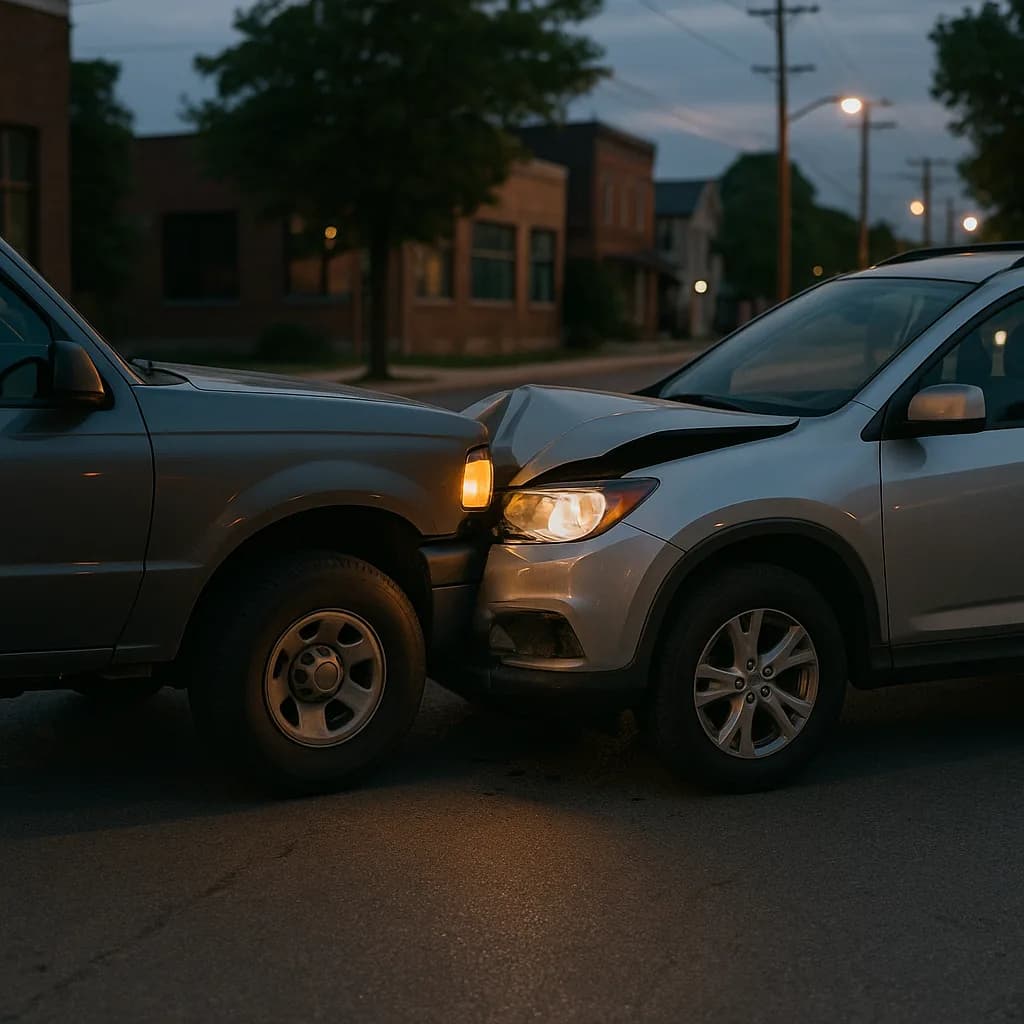
You insured three cars with Progressive under one policy. One vehicle had an at-fault accident. At renewal, the premium increase hit all three vehicles—not just the one involved in the claim. The household expected the at-fault car's rate to climb, but the other two vehicles saw increases as well, and the multi-car discount you relied on shrank.
Progressive structures multi-car policies so that claim history on any vehicle affects the policy-level rating for every vehicle under that policy number. The accident becomes part of the household's overall risk profile, not just the individual car's record. That structural reality—policy-level rating rather than vehicle-level isolation—determines how much your renewal costs after a claim.
Compare car insurance rates in your state
Get quotes from licensed carriers — no obligation, no spam, results in minutes.
Get Your Free QuoteCarriers Writing Multi-Car After Accident
21 carriers
Twenty-one carriers in the national roster write policies for households with accident history across multiple vehicles. Progressive is one of them, but rate competitiveness post-claim varies widely by state and household structure.
How Progressive Rates a Multi-Car Policy After a Claim
Progressive assigns each driver and vehicle a base rate, then applies the multi-car discount at the policy level. When one vehicle files a claim, Progressive recalculates the policy's overall risk score. That recalculation affects the base rate for every vehicle on the policy, because the household now carries claim history that wasn't present at the prior term.
The multi-car discount percentage itself may also shrink. Progressive's discount structure rewards claim-free households with a larger percentage off. After an accident, the household moves into a different discount tier—still receiving a multi-car discount, but at a lower percentage than before the claim. The result: higher base rates across all vehicles plus a smaller discount applied to those higher bases.
This is not a surcharge applied only to the at-fault vehicle. It is a policy-level re-rating. If you expected only the involved car's premium to rise, the renewal notice showing increases on all three vehicles reflects how Progressive structures multi-car policies, not an error in billing.
Progressive re-rates the entire policy after one vehicle's accident because claim history is a household attribute, not a vehicle attribute, under their multi-car rating model.
What Drives the Post-Accident Rate Across All Vehicles

First, the severity and fault determination of the claim. An at-fault collision with injury claims produces a larger rate increase than a property-damage-only claim where fault is disputed. Progressive's underwriting model weighs both the dollar amount paid and the fault assignment. A household with one at-fault accident sees a different rate adjustment than a household with a not-at-fault claim, even though both are claim events.
Second, the number of vehicles on the policy and the household's prior claim history. A three-car household with no prior claims may see a smaller percentage increase than a two-car household that already had one claim in the prior three years. Progressive's tiered discount structure penalizes repeat claims more heavily than isolated incidents. The multi-car discount you received before the accident was built on a clean record; after the claim, the discount tier drops and the base rate rises, compounding the cost across every vehicle.
Related Articles





When the Accident Forgiveness Endorsement Applies
Progressive offers an accident forgiveness endorsement in most states. If you purchased it before the accident, the first at-fault claim does not trigger a rate increase at renewal. The policy renews at the prior term's rate, and the multi-car discount percentage remains unchanged. Accident forgiveness is a per-policy endorsement, not per-vehicle, so it protects the entire household from the first claim's rate impact.
Accident forgiveness does not erase the claim from your record. The claim still appears in Progressive's system and in external databases like LexisNexis. If you switch carriers, the new carrier sees the claim and rates accordingly. Accident forgiveness only prevents Progressive from raising your rate at renewal; it does not make the claim invisible to other insurers.
If you did not purchase accident forgiveness before the accident, you cannot add it retroactively. The endorsement must be in place at the time of the claim to apply. After an at-fault accident without forgiveness, expect the policy-level re-rating described above across all vehicles on your Progressive policy.
National At-Fault Accident Rate Benchmark
$245–$275/mo
Drivers with one at-fault accident pay between $245 and $275 per month on average nationally, representing a 43–55% increase over clean-record rates. Multi-car households see this increase applied across the policy's vehicle count.
Insurance.com 2026 accident/ticket study + Bankrate 2025
How Long the Accident Affects Your Progressive Rate
Progressive surcharges an at-fault accident for three to five years, depending on state regulation and the severity of the claim. In most states, the accident remains chargeable for three years from the claim date. During that period, every renewal reflects the accident in the policy-level rating, and the multi-car discount remains in the lower post-claim tier.
After the chargeable period ends, Progressive re-rates the policy as if the accident no longer exists. The household moves back into the higher multi-car discount tier, and the base rates drop to reflect a clean record. The timing matters: if the accident occurred mid-term, the three-year clock starts from the claim date, not the renewal date. A claim filed in month six of a twelve-month term will fall off the rating calculation three years from that claim date, not three years from the next renewal.
Some states require shorter surcharge periods or cap the percentage increase an insurer can apply after an accident. Check your state's Department of Insurance regulations to confirm how long Progressive can charge for the claim in your jurisdiction. The national benchmark is three years, but state law controls the actual duration.
When Switching Carriers After an Accident Makes Sense
If Progressive's post-accident renewal premium is significantly higher than quotes from other carriers writing multi-car policies with accident history, switching may lower your cost. Not every carrier penalizes accidents equally. Some carriers weight claim-free years more heavily than recent claims; others offer accident forgiveness as a standard feature rather than an optional endorsement.
Compare quotes from at least three carriers in the national roster that write multi-car policies for households with accident history. Provide identical coverage limits and vehicle details to each carrier so the quotes reflect true rate differences, not coverage gaps. Request quotes that include the multi-car discount each carrier offers post-claim, because discount structures vary as much as base rates.
Compare Multi-Car Rates With Your Accident on Record
Progressive's post-accident rate reflects their specific underwriting model for multi-car households with claim history. Other carriers in your state may rate the same household lower, especially if they tier accidents differently or offer larger multi-car discounts to households with one claim. The only way to know is to request quotes that include your accident and all vehicles on your current policy. Use a comparison tool that pulls rates from multiple carriers simultaneously, or contact carriers directly with your policy details and claim date. The goal is an apples-to-apples rate comparison across the household's full vehicle count, not single-car quotes that ignore the multi-car discount you rely on.