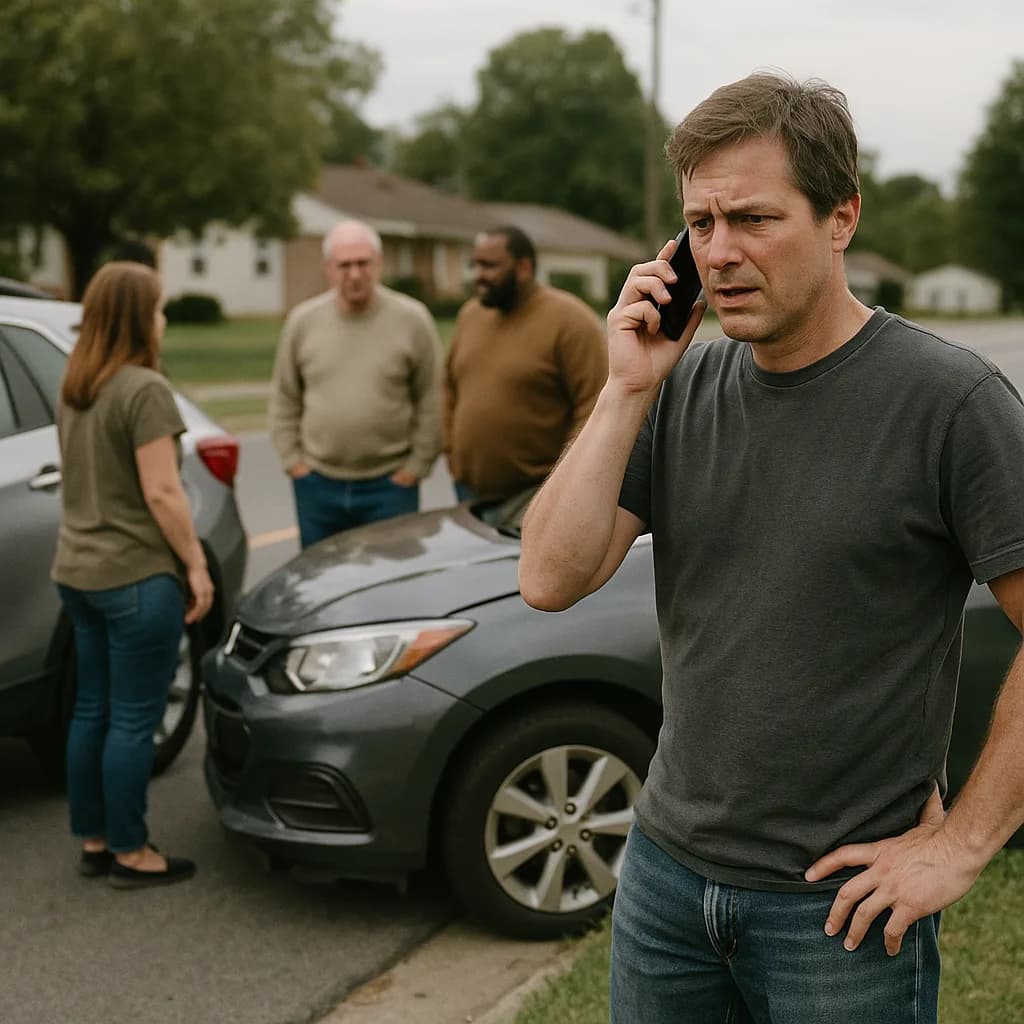
When Kemper Notifies You After an Accident
You filed an at-fault accident claim with Kemper, and now you're staring at a renewal notice with a premium jump you didn't expect — or a non-renewal letter that gives you 30 days to find new coverage. You insure two or more vehicles on one Kemper policy, and you're trying to figure out whether the accident surcharge applies to every car on the policy or just the one involved in the accident, and whether staying with Kemper or switching carriers makes more financial sense for your household.
The answer depends on how Kemper structures its accident surcharges, how many vehicles you insure, and which carriers in your state write policies for drivers with recent accidents. This article walks through Kemper's post-accident process, how the surcharge applies across a multi-car policy, and the specific decision points that determine whether you stay or switch.
Compare car insurance rates in your state
Get quotes from licensed carriers — no obligation, no spam, results in minutes.
Get Your Free QuoteAt-Fault Accident Premium Range
$245–$275/mo
Drivers with one at-fault accident pay 43–55% more than drivers with clean records nationally. Kemper's surcharge structure applies per vehicle involved, not as a flat policy-level increase, which changes the math for multi-car households.
Insurance.com 2026 accident/ticket study + Bankrate 2025
How Kemper Applies Accident Surcharges to Multi-Car Policies
Kemper applies accident surcharges to the specific vehicle involved in the at-fault claim, not to every vehicle on the policy. If you insure three cars and one was in an accident, the surcharge applies only to that car's portion of the premium. The other two vehicles continue at their pre-accident rates, assuming no other claims or violations.
This structure differs from carriers that apply a policy-level surcharge or re-rate every vehicle when one car files a claim. For households with multiple vehicles, Kemper's per-vehicle surcharge can produce a lower total premium increase than a policy-level surcharge would. The trade-off: if a second vehicle on the same policy files a claim within the surcharge period, both surcharges stack, and the combined increase can exceed what a policy-level surcharge would have been.
Kemper's accident surcharge typically lasts three years from the claim date. During that period, the surcharged vehicle carries the higher rate at every renewal. The surcharge does not transfer if you remove the vehicle from the policy or if you trade it in and add a different car — the new vehicle starts at its own base rate. Removing the surcharged vehicle and replacing it with a different one can lower your total premium immediately, but only if the replacement vehicle's base rate plus the multi-car discount beats the surcharged vehicle's rate.
The multi-car discount applies to the total policy premium after surcharges. If you drop from three vehicles to two by removing the surcharged car, you lose one tier of the multi-car discount, which can offset some of the savings from removing the surcharge. The math depends on the specific vehicles, their base rates, and the size of Kemper's multi-car discount in your state.
Kemper's per-vehicle surcharge structure means removing the surcharged car from your policy eliminates the surcharge but also reduces your multi-car discount tier. The net savings depends on the discount size.
Comparing Kemper to Other Carriers After an Accident
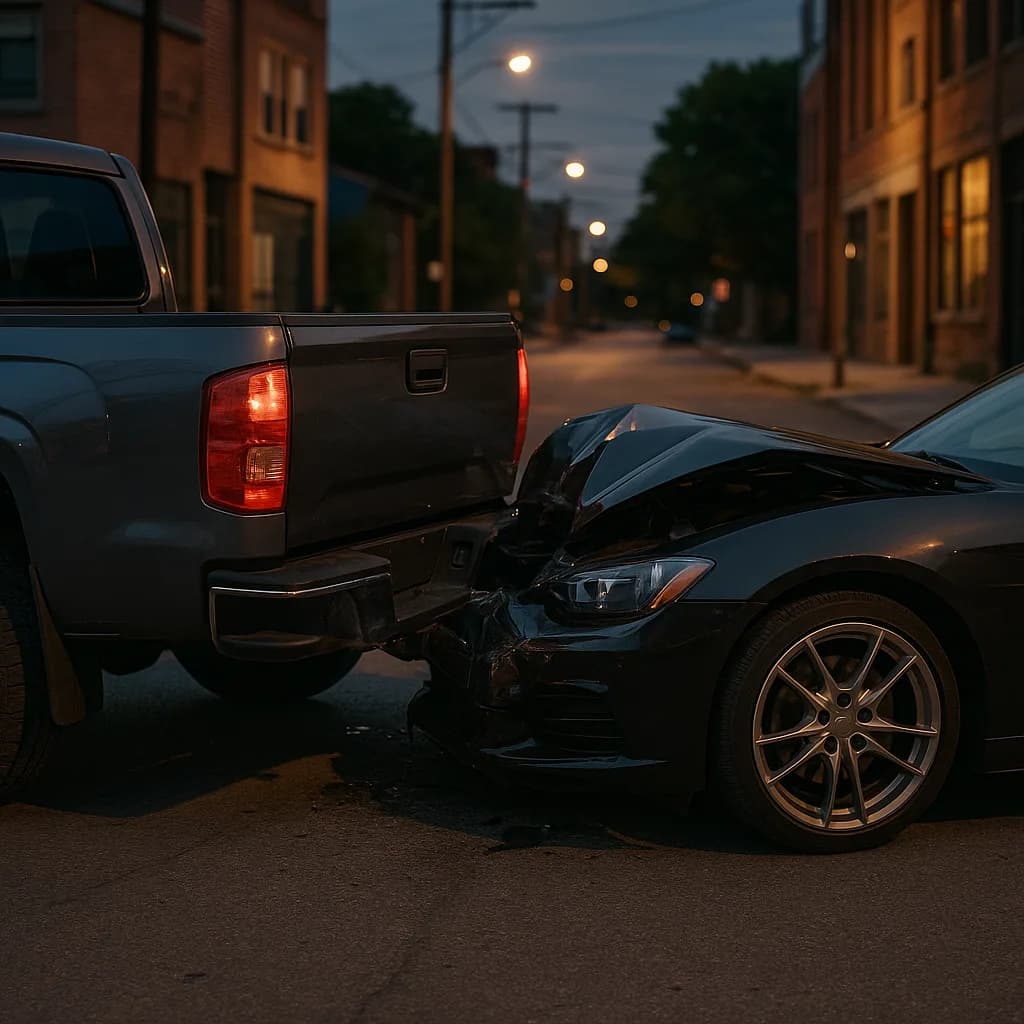
Not every carrier writes policies for drivers with one at-fault accident. Of the 34 carriers in the national roster, 18 write coverage for drivers with DUI or major violations, but accident-only drivers have broader access. Kemper itself is a standard-to-nonstandard carrier, meaning it writes policies across the risk spectrum. Competitors in the same space include Progressive, Geico, Nationwide, and Allstate, all of which write multi-car policies for drivers with one accident. Dairyland, Direct Auto, Bristol West, and The General write nonstandard policies but may not offer multi-car discounts as large as Kemper's.
When comparing quotes, request the same coverage limits and deductibles you carry with Kemper. A lower premium with higher deductibles or lower liability limits is not a fair comparison. Ask each carrier whether the multi-car discount applies immediately or phases in over time, and whether the accident surcharge applies per vehicle or per policy. A carrier that applies a policy-level surcharge may quote higher for your household than Kemper, even if its base rates are lower.
Related Articles



When Kemper Non-Renews After an Accident
Kemper can choose not to renew your policy at the end of the term if the accident meets certain thresholds — typically a claim payout above a set dollar amount, multiple claims within a short period, or a pattern of at-fault accidents over several years. Non-renewal is not the same as cancellation. Kemper must provide written notice 30 to 60 days before the renewal date, depending on your state, and the policy remains in force until the term ends.
If Kemper non-renews, you have the full notice period to shop for new coverage. Do not wait until the last week. Carriers that write policies for drivers with recent accidents often take longer to underwrite multi-car policies, especially if the household includes multiple drivers or vehicles with different garaging addresses. Start shopping as soon as you receive the non-renewal notice.
Non-renewal does not mean you are uninsurable. It means Kemper has decided not to continue the policy at renewal. Other carriers may accept you at standard or preferred rates, depending on the accident details, your overall driving record, and how many vehicles you insure. Households with three or more vehicles often qualify for better rates than single-car drivers with identical records, because the multi-car discount offsets part of the accident surcharge.
Carriers Writing After-DUI Coverage
18 carriers
Of the 34 carriers in the national roster, 18 write policies for drivers with DUI or major violations. Drivers with accident-only records have broader access, but not all carriers offer multi-car discounts large enough to offset post-accident surcharges.
National carrier roster, verified writing counts
How the Multi-Car Discount Changes After an Accident
The multi-car discount does not disappear after an accident, but the total premium increase from the surcharge can make the discount feel smaller. The multi-car discount still applies to the $245 total, but the absolute dollar savings from the discount are now spread across a higher base.
Some households respond by dropping the surcharged vehicle from the policy and insuring it separately, or by removing it entirely if it was a secondary or rarely-driven car. The net effect depends on the size of the surcharge versus the size of the discount reduction. In most cases, removing the surcharged vehicle still produces a lower total premium, but not always.
What to Do Right Now
Request a detailed breakdown of your current Kemper premium showing the base rate for each vehicle, the accident surcharge amount, and the multi-car discount. This breakdown tells you exactly how much the accident is costing you per month and whether removing the surcharged vehicle would lower your total premium after accounting for the discount reduction. If Kemper will not provide the breakdown over the phone, request it in writing or through your agent.
Get quotes from at least three carriers that write multi-car policies for drivers with recent accidents: Progressive, Geico, and Nationwide are the largest and most accessible. Request the same coverage limits and deductibles you carry now, and ask each carrier whether the accident surcharge applies per vehicle or per policy. Compare the total premium for all your vehicles combined, not individual vehicle rates, because the multi-car discount changes the math. If the difference is smaller, staying with Kemper avoids the administrative friction of moving multiple vehicles to a new carrier mid-term.