What Happens When You File a Claim With Infinity
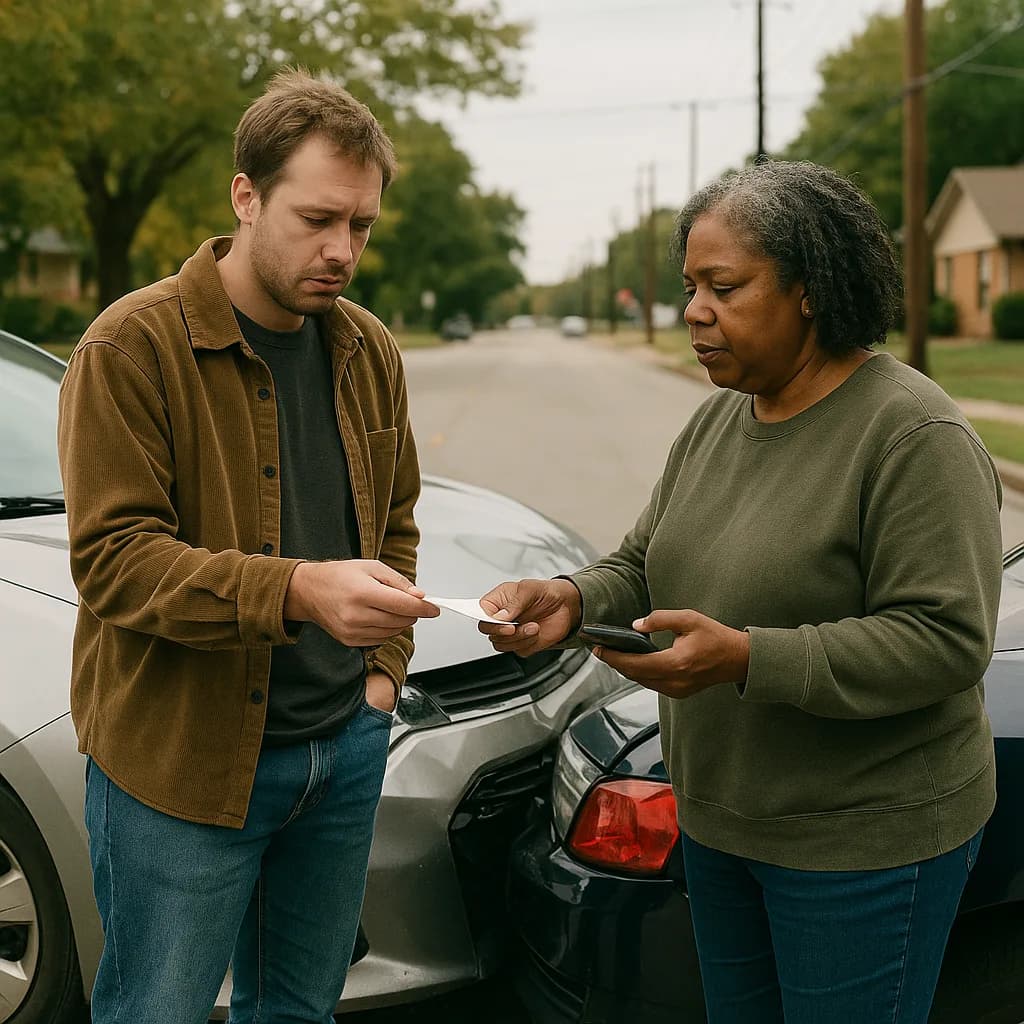
You filed a claim with Infinity after an at-fault accident. The claim closed, the car is fixed, and now you're three weeks from renewal. Infinity does not offer accident forgiveness on standard policies, so the surcharge applies at the first renewal after the claim closes.
The structural reality: Infinity underwrites non-standard and standard auto policies, and their post-accident pricing reflects a different risk model than carriers like State Farm or Allstate. If you carry multiple vehicles on one Infinity policy, the accident surcharge applies to the entire policy, not just the vehicle involved in the claim. That means every car on the policy sees the rate increase, even if only one was in the accident.
Compare car insurance rates in your state
Get quotes from licensed carriers — no obligation, no spam, results in minutes.
Get Your Free QuoteNational SR-22 Carrier Roster
21 carriers
Infinity is one of 21 carriers verified to write SR-22 policies nationally, positioning them in the non-standard and post-accident market. Their underwriting appetite includes drivers with accident history, but their surcharge structure is less forgiving than standard carriers.
NAIC carrier licensing data, 2026
How Infinity's Accident Surcharge Works Across Multiple Vehicles
Infinity calculates the surcharge as a percentage increase applied to your base premium. The percentage varies by state and the type of accident — at-fault collisions typically trigger a 30–50% increase, while comprehensive claims (theft, vandalism, weather damage) may not trigger a surcharge at all in some states. The surcharge appears at your next renewal and typically remains for three to five years, depending on state law and Infinity's underwriting guidelines in your region.
When you insure multiple vehicles on one Infinity policy, the surcharge re-rates the entire policy. A household with three cars sees the percentage increase applied to the combined premium for all three vehicles, not just the one involved in the accident. This is standard across most carriers — the policy is the rating unit, not the individual vehicle. The multi-car discount you received when you added the second and third vehicles remains in place, but it applies after the accident surcharge is calculated, not before.
Infinity does not publish accident-forgiveness programs on their standard policies. Some carriers offer forgiveness after a set number of claim-free years, but Infinity's model assumes drivers with accident history will remain in their book and prices accordingly. If you expected forgiveness and did not receive it, that expectation came from another carrier's marketing, not Infinity's actual product.
Infinity applies the accident surcharge to your entire multi-car policy at renewal, not just the vehicle involved in the claim. The multi-car discount stays, but the base premium rises first.
What to Do Before Your Renewal Date

Request quotes from at least three carriers that write multi-car policies for drivers with accident history. Progressive, Geico, and Nationwide all write post-accident policies and offer multi-car discounts. Some regional carriers — like Erie in the Midwest or Auto-Owners in select states — may offer better rates than national carriers if you qualify for their standard tier. Provide each carrier with the accident details: date, type (at-fault collision, comprehensive, etc.), claim amount, and whether any injuries were involved. Accurate disclosure prevents re-underwriting surprises after you bind.
Compare the quoted premiums against Infinity's renewal offer. Calculate the total cost over three years, not just the first six months. If Infinity's renewal premium is competitive and you value continuity, staying may make sense — but only if you're confident they will renew you at the next term. Non-standard carriers sometimes non-renew after a second claim, even if the first was forgiven by time.
Related Articles




When Infinity May Not Renew Your Policy
Infinity can choose not to renew your policy at the end of the term, and they are not required to provide a reason in most states. Non-renewal is not the same as cancellation — cancellation happens mid-term for non-payment or fraud, while non-renewal simply means they decline to offer you another term when the current one expires. Carriers typically non-renew when a driver accumulates multiple claims in a short period, when the loss ratio (claims paid divided by premiums collected) exceeds their threshold, or when underwriting guidelines change.
If Infinity non-renews you, they must provide written notice 30 to 60 days before your policy expires, depending on state law. That notice period is your window to find replacement coverage. Drivers with multiple vehicles face a tighter bind here — finding a carrier willing to write a multi-car policy for a household with recent accident history and a non-renewal on record is harder than finding single-car coverage. Some carriers will write you but require you to split the vehicles across separate policies, which eliminates the multi-car discount.
The structural trap: if you wait for Infinity to decide whether to renew you, you lose the ability to shop proactively. A non-renewal notice 30 days out leaves you scrambling, and carriers know it. Premiums quoted under time pressure are rarely the best available. Shop before the renewal notice arrives, even if you think Infinity will keep you. The quote process costs nothing, and having a backup option in hand removes the leverage Infinity holds by default.
National At-Fault Accident Premium
$245–$275/mo
Drivers with one at-fault accident pay 43–55% more than drivers with clean records nationally. Infinity's surcharge structure sits within this range, but their willingness to write post-accident policies makes them a viable option when standard carriers decline.
Insurance.com 2026 accident/ticket study + Bankrate 2025
How the Multi-Car Discount Changes After an Accident
The multi-car discount itself does not disappear after an accident, but the base premium it applies to rises. Infinity calculates your premium by starting with each vehicle's base rate, applying the accident surcharge, then applying the multi-car discount to the surcharged total. The discount percentage stays the same, but the absolute dollar savings shrink because the base is higher.
Some drivers mistakenly believe the multi-car discount will offset the accident surcharge. It does not. The surcharge is applied first, and the discount is applied second. You are still paying more overall, even though the discount percentage did not change.
Compare Carriers That Write Multi-Car Policies for Drivers With Accident History
Infinity is not the only carrier that writes multi-car policies for drivers with accidents on record. Progressive, Geico, Nationwide, and The General all write post-accident policies and offer multi-car discounts. Regional carriers like Dairyland and Bristol West specialize in non-standard auto and may offer better rates than Infinity in your state. The key is to compare at least three carriers before your renewal date, not after Infinity decides whether to keep you.
Request quotes 45 to 60 days before your renewal. Provide each carrier with the same accident details you gave Infinity: date, type, claim amount, and whether injuries were involved. Ask each carrier how long the surcharge lasts in your state and whether they offer accident forgiveness after a set number of claim-free years. A carrier that forgives the accident after three years may cost more upfront but less over the surcharge period. Calculate total cost over three to five years, not just the first term. If you find a better rate, bind the new policy to start the day your Infinity policy expires. Do not cancel Infinity before the new policy is active — a lapse in coverage will cost you more than any premium difference you were trying to avoid.