
Why Parking Lot Accidents Appear on Your Record
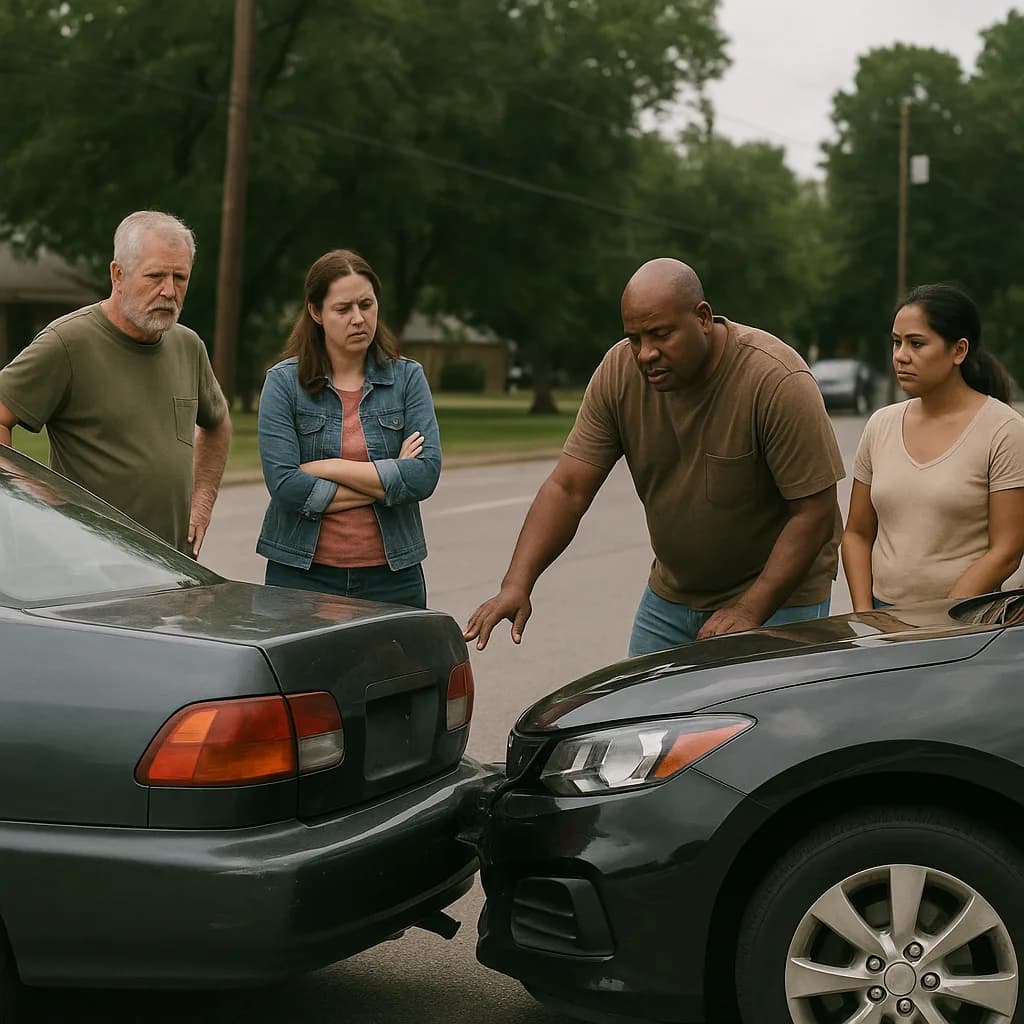
You backed out of a parking space, heard the crunch, and now a claim sits on your record. The collision happened at 5 mph in a grocery store lot, but your carrier treats it exactly like a 35-mph rear-end on a city street. Location does not change how insurers classify fault or calculate surcharges.
Parking lot accidents trigger rate increases when you are determined at-fault and file a claim or the other driver files against your policy. The surcharge applies because you caused property damage or injury, not because of where it happened. Private property versus public road makes no difference to the underwriting system that prices your renewal.
Compare car insurance rates in your state
Get quotes from licensed carriers — no obligation, no spam, results in minutes.
Get Your Free QuoteAt-Fault Accident Rate Increase
43–55%
Drivers with one at-fault accident on record pay 43–55% more than drivers with clean records, regardless of collision location. The surcharge applies at renewal and typically lasts three to five years depending on state and carrier.
Insurance.com 2026 accident/ticket study + Bankrate 2025
How Fault Is Assigned in Parking Lots
Fault follows the same liability rules in parking lots as on public roads. If you back out and hit a passing car, you are at fault because the moving vehicle yields to through traffic. If you pull forward into a space and strike a parked car, you are at fault because you failed to control your vehicle. If two cars back out simultaneously and collide, fault may be shared 50/50.
Your carrier assigns fault based on the police report if one was filed, statements from both drivers, witness accounts, and damage patterns. Many parking lot collisions produce no police report because they occur on private property and involve only property damage. In those cases, the carrier's claims adjuster determines fault from photos, statements, and the mechanics of the collision.
Comparative negligence rules apply. If the other driver was speeding through the lot or failed to stop at a stop sign within the lot, you may share fault or avoid it entirely. Shared fault reduces your surcharge proportionally in states that use comparative negligence, but any percentage of fault above zero still appears on your record and affects your rate.
What Happens After You File the Claim

Your carrier opens a claim file, assigns an adjuster, and collects statements from you and the other driver. The adjuster reviews photos of both vehicles, the parking lot layout, and any available video footage from security cameras. If a police report exists, the adjuster weighs it heavily but is not bound by it.
Once fault is assigned, the claim closes and the payout is recorded. At your next renewal, the underwriting system applies a surcharge based on your fault percentage and the total claim payout. The surcharge persists for three to five years depending on your state and carrier, then rolls off your record automatically.
Related Articles





How Long the Surcharge Lasts
Most states allow carriers to surcharge an at-fault accident for three years from the date of the accident, not the date of the claim or the renewal when the surcharge first appears. California, Massachusetts, and a few other states limit surcharge duration by statute. In states without a statutory limit, carriers typically apply surcharges for three to five years as a competitive practice.
The surcharge does not disappear when you switch carriers. The accident remains on your motor vehicle report and your claims history, both of which follow you to the new carrier. Shopping for a new policy after an at-fault accident often produces quotes higher than your current surcharged rate because the new carrier prices you as a higher-risk driver from day one.
Accident forgiveness programs erase the first at-fault accident surcharge if you qualify. Most carriers require you to be accident-free for three to five years before enrolling, and some charge an additional premium for the coverage. If you already have accident forgiveness in place when the parking lot collision happens, the surcharge does not apply and your rate stays flat at renewal.
Average Premium After At-Fault Accident
$245–$275/mo
The increase reflects the elevated risk profile carriers assign to drivers with recent collision history.
Insurance.com 2026 accident/ticket study + Bankrate 2025
When a Parking Lot Accident Does Not Raise Your Rate
Your carrier is not involved and no claim appears on your record. The other driver's carrier pays for your repairs and their premium rises, not yours.
If you are at fault but the damage is minor and you pay out of pocket without filing a claim, no surcharge applies because no claim exists. This strategy works only when the other driver agrees to accept your payment and not file a claim themselves. Once either party files a claim, the accident enters the system and fault is assigned regardless of who initiated the claim.
Compare Carriers That Treat Accident History Differently
Carriers apply different surcharge formulas to the same accident. One carrier may raise your rate 50% while another raises it 35% for an identical claim. The difference comes from how each carrier weights accident history in its underwriting model and how much competition exists in your state for drivers with recent accidents.
Comparing quotes after a parking lot accident shows you which carriers price your specific profile most competitively. Enter your accident details, fault percentage, and claim amount into the comparison tool to see rate differences across carriers writing policies in your area. Switching to a carrier with a lower surcharge formula can save you hundreds of dollars per year even with the accident on your record.