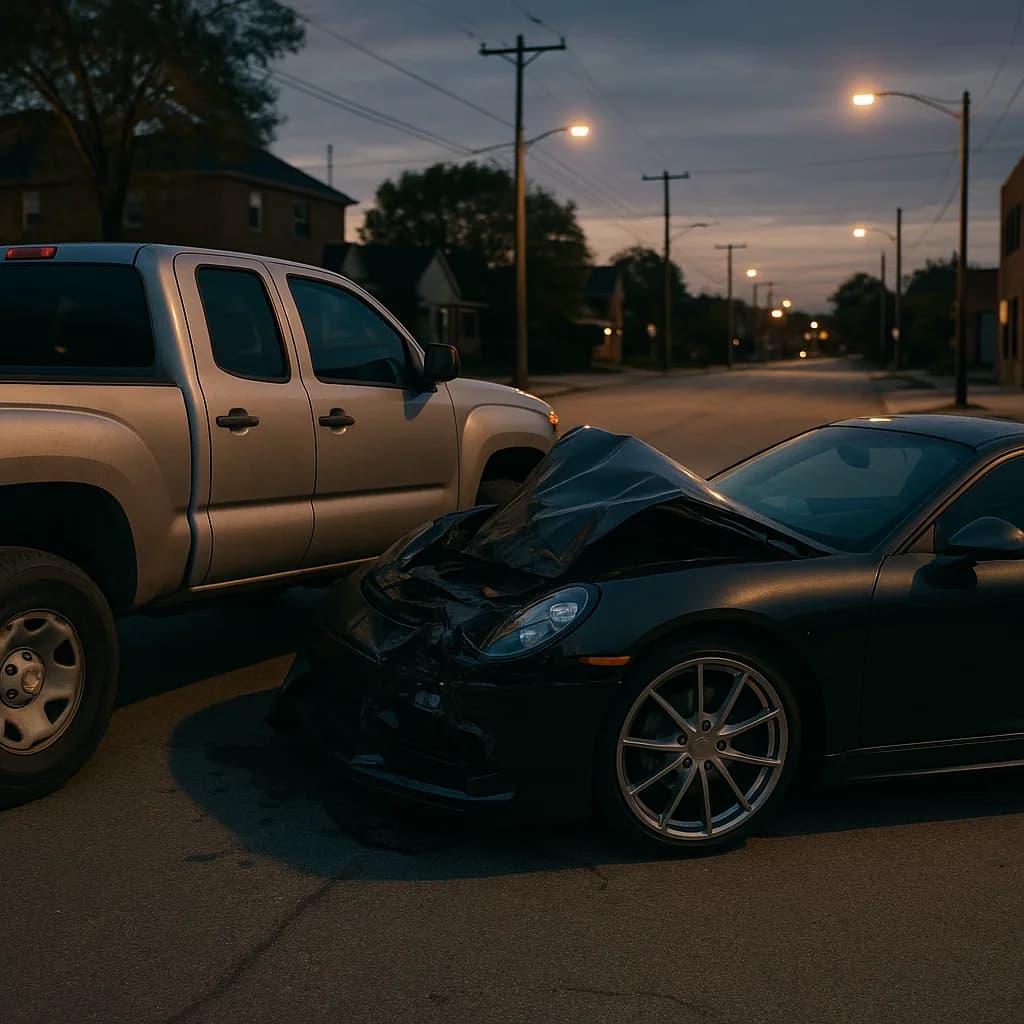
Why Bristol West Appears After an Accident
You filed a claim or were listed at-fault in an accident, and your current carrier either non-renewed your policy or sent a renewal notice with a premium you cannot afford. You started shopping and Bristol West appeared in your quote results alongside carriers you have never heard of. You manage a household with two or three vehicles on one policy, and you need to know whether Bristol West will cover all of them without forcing you to split the cars across separate policies.
Bristol West is a non-standard auto carrier owned by Farmers Insurance Group. They specialize in drivers standard carriers reject or price out: accident history, lapses, tickets, and households combining multiple risk factors across several vehicles. They write true multi-car policies, not just single-vehicle coverage, and they operate in most states under the Bristol West or Farmers-branded non-standard programs.
Compare car insurance rates in your state
Get quotes from licensed carriers — no obligation, no spam, results in minutes.
Get Your Free QuoteNational Non-Standard Roster
34 carriers
Thirty-four carriers write non-standard auto insurance nationwide, but fewer than half write true multi-vehicle policies for households with accident history. Bristol West is one of the larger non-standard writers that consistently quotes households with two or more cars.
NAIC carrier roster data
How Bristol West Structures Multi-Car Coverage
Bristol West writes every vehicle on your household onto one policy, the same structure you had with your previous carrier. The difference is how they calculate the multi-vehicle discount and how they handle the accident surcharge when multiple cars sit on the same policy.
Standard carriers typically apply a percentage discount to each vehicle after the first: the second car gets a discount, the third car gets a larger one. Bristol West uses a tiered base-rate structure instead. Your first vehicle is rated at the full non-standard base rate, which already reflects your accident history. The second and third vehicles are rated at progressively lower base rates, not percentage discounts off the first car's premium.
This matters because the total premium for three cars can land lower with Bristol West's tiered structure than with a standard carrier applying a percentage multi-car discount to a surcharged base rate. The accident surcharge hits the first vehicle hard, but subsequent vehicles avoid the compounding effect you see when a percentage discount is applied to an already-surcharged premium.
Bristol West's tiered base-rate structure means your second and third vehicles may cost less than adding them to a standard carrier's surcharged policy, but only if every car qualifies for their non-standard program.
What Bristol West Requires for Multi-Vehicle Policies
Every vehicle on the policy must be titled to a household member listed on the policy or garaged at the same address. Bristol West does not allow vehicles titled to someone outside the household to sit on your policy, even if that person is a regular driver. If your household includes a car titled to an adult child who moved out, that vehicle cannot be added to your Bristol West policy. The same-address requirement is strict: vehicles garaged at a second property or a college-town address typically require a separate policy.
Every driver listed on the policy must fall within Bristol West's acceptable risk profile. If one driver has a clean record and another has the accident history, Bristol West will rate both drivers and both vehicles together. But if one driver has a combination of violations that pushes them outside Bristol West's underwriting guidelines — multiple DUIs, a suspended license, or a recent reckless-driving conviction — Bristol West may decline to quote the entire household or require that driver to be excluded from the policy.
Related Articles
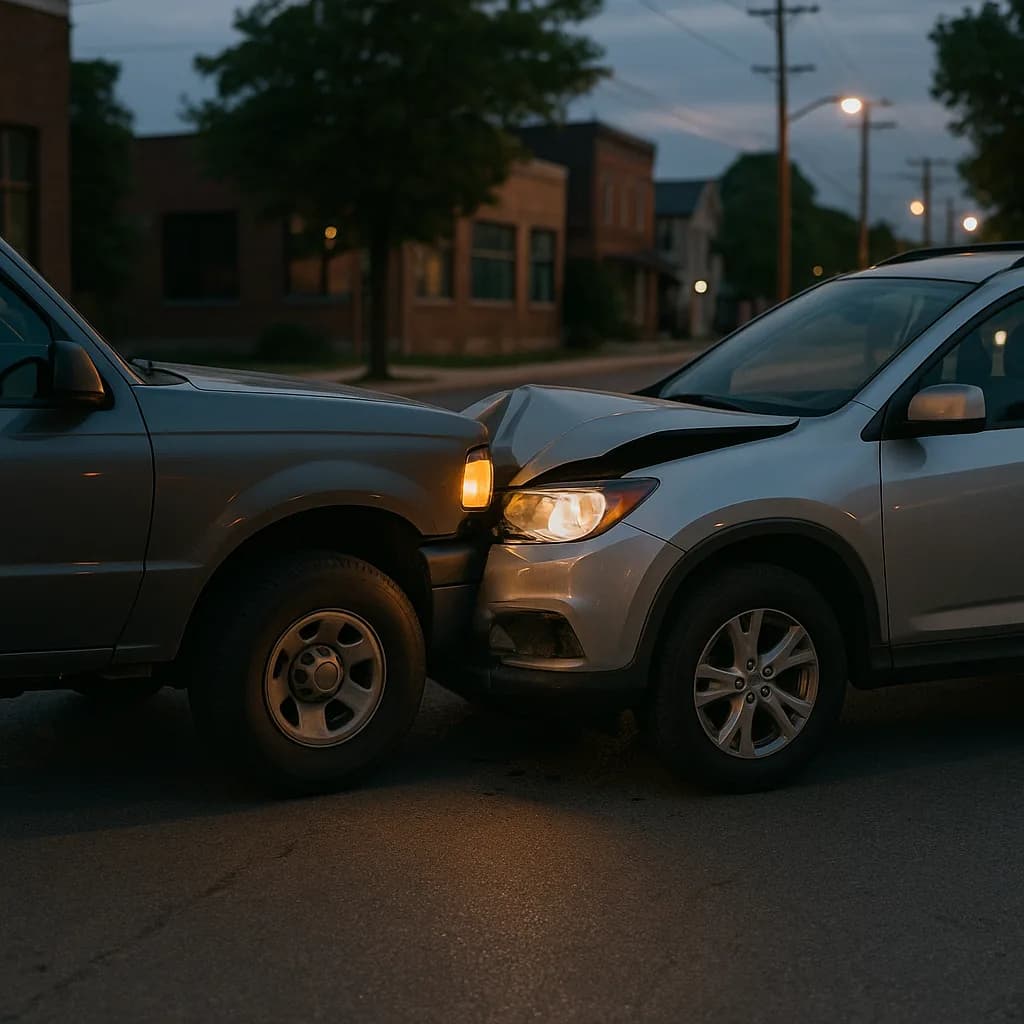





How Adding Vehicles Changes Your Premium
Adding a second vehicle to your Bristol West policy does not simply add a flat amount to your current premium. The entire policy is re-rated when you add or remove a vehicle, and the tiered base-rate structure recalculates across all cars. Your first vehicle's premium may drop slightly when the second vehicle is added, because Bristol West redistributes the household's total risk across the policy.
This re-rating happens at the time you add the vehicle, not at renewal. If you buy a second car mid-term and add it to your Bristol West policy, expect the premium to adjust immediately. The adjustment is not always an increase: households adding a low-value second vehicle sometimes see the total premium rise less than the cost of insuring that second vehicle separately.
Removing a vehicle triggers the same re-rating. If you sell one of your three cars and remove it from the policy, the remaining two vehicles are re-rated at the two-car tier structure, and your total premium adjusts accordingly. Bristol West does not prorate removed vehicles the way some standard carriers do — the change takes effect on the date you request the removal, and the premium adjusts from that point forward.
At-Fault Accident National Range
$245–$275/mo
Drivers with one at-fault accident pay between $245 and $275 per month on average nationally, representing a 43–55% increase over a clean record. Non-standard carriers like Bristol West price within or above this range depending on state and household vehicle count.
Insurance.com 2026 accident/ticket study, Bankrate 2025
When Bristol West Works for Multi-Car Households
Bristol West works best for households where every vehicle and every driver falls into the non-standard category. If your household has two cars and both drivers have accident history, tickets, or lapses, Bristol West's tiered structure often beats splitting the cars across two separate policies or mixing standard and non-standard coverage.
Bristol West does not work well for mixed-risk households. If one driver has a clean record and one has the accident, and you want to keep the clean driver on a standard-market policy while moving the at-fault driver to Bristol West, you cannot combine those vehicles onto one Bristol West policy. Bristol West writes the entire household or none of it. Households trying to optimize by splitting cars across carriers lose the multi-vehicle discount entirely and often pay more in combined premiums than keeping everything on one non-standard policy.
Compare Bristol West Against the Non-Standard Roster
Bristol West is one of 34 carriers writing non-standard auto, but not all of them write multi-car policies, and not all of them operate in every state. The General, Direct Auto, Dairyland, Acceptance Insurance, and National General all write households with accident history, and all offer multi-vehicle coverage. Each uses a different discount structure and a different base-rate calculation.
Request quotes from at least three non-standard carriers that write multi-car policies in your state. Provide the same vehicle details, the same driver information, and the same coverage limits to each carrier. Compare the total premium for all vehicles combined, not the per-vehicle breakdown, because tiered structures and percentage discounts produce different totals even when individual vehicle premiums look similar. The carrier with the lowest total premium for your household wins, regardless of how they structure the discount.