When One Car's Accident Affects the Whole Policy
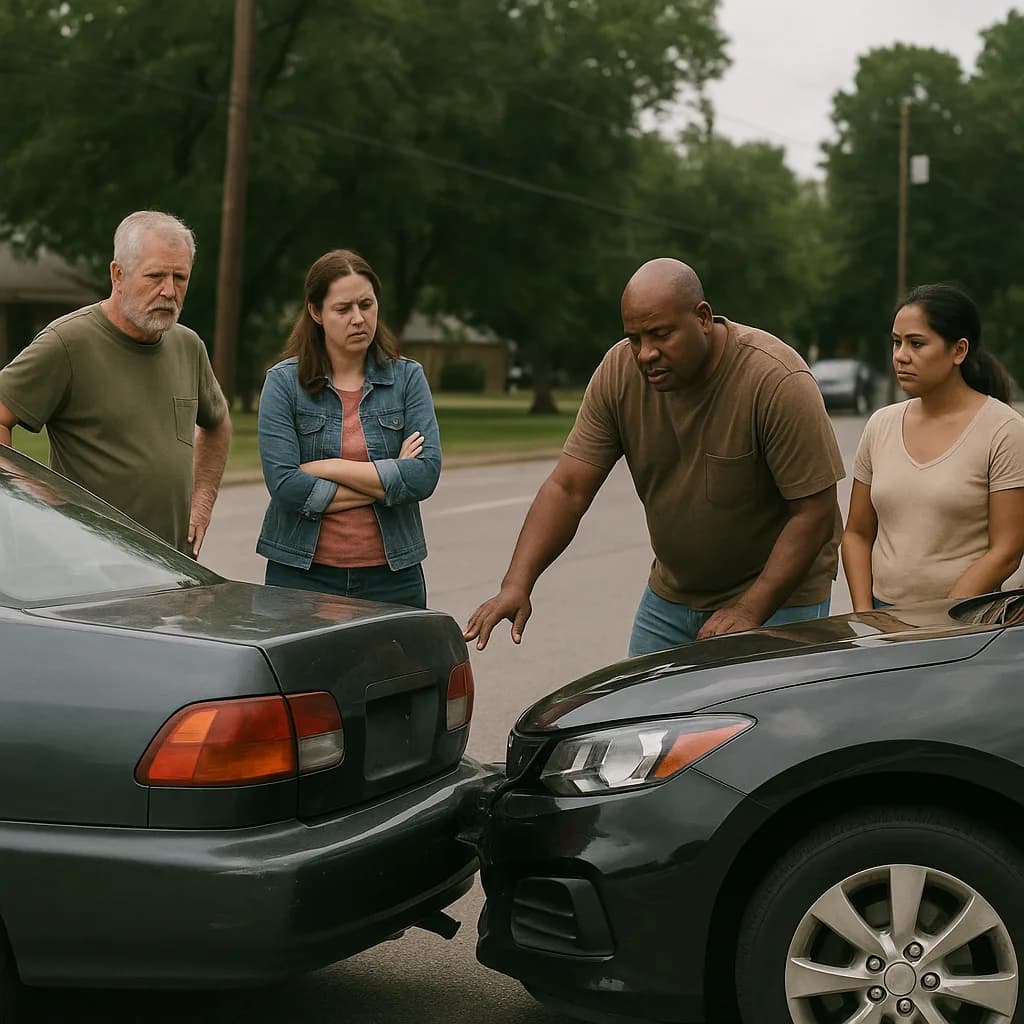
You filed a claim with Allstate after an at-fault accident in one of your household's three cars. The adjuster handled the claim without issue, but at renewal your premium jumped for all three vehicles, not just the one involved in the accident. The multi-car discount you've been carrying for years is still listed on the declarations page, but the total premium is higher than you expected, and you're trying to understand whether Allstate is penalizing every car or whether the math just looks wrong.
Allstate re-rates the entire policy when one vehicle triggers a chargeable accident. The surcharge applies to the policy as a whole, not to the individual car that filed the claim. Your multi-car discount percentage stays the same, but it now applies to a higher base premium, so the dollar amount you save shrinks. The result: every vehicle on the policy sees a rate increase, even the cars that were never involved in the accident.
Compare car insurance rates in your state
Get quotes from licensed carriers — no obligation, no spam, results in minutes.
Get Your Free QuoteAt-Fault Accident Premium Increase
43–55%
Drivers with one at-fault accident pay 43 to 55 percent more than drivers with clean records. The increase applies to the entire policy when multiple vehicles share one account, raising the base premium before the multi-car discount is applied.
Insurance.com 2026 accident/ticket study + Bankrate 2025
How Allstate Applies the Surcharge Across Multiple Vehicles
Allstate treats a multi-car policy as a single underwriting unit. When one vehicle on the policy triggers a chargeable accident, the carrier recalculates the risk profile for the entire household. The surcharge percentage is applied to the policy's base premium, which is the combined premium for all vehicles before discounts. The multi-car discount then applies to that surcharged base, reducing the total but not eliminating the increase.
This structure means a household with three cars on one policy will see all three premiums rise after one car's accident, even if the other two vehicles have never filed a claim. The percentage increase is the same across the policy, but the dollar impact varies by vehicle because each car contributes a different amount to the base premium. A newer car with higher coverage limits will see a larger dollar increase than an older car with liability-only coverage, even though both are surcharged at the same rate.
The multi-car discount does not disappear after an accident unless Allstate non-renews the policy or moves it to a higher-risk tier that does not offer the discount. In most cases the discount remains, but its value shrinks because it is calculated as a percentage of the now-higher base premium. A 20 percent discount on a surcharged premium saves fewer dollars than the same 20 percent discount on the pre-accident premium.
The multi-car discount stays on the policy after an accident, but you save less because the base premium climbed before the discount was applied.
What Triggers a Surcharge and What Doesn't
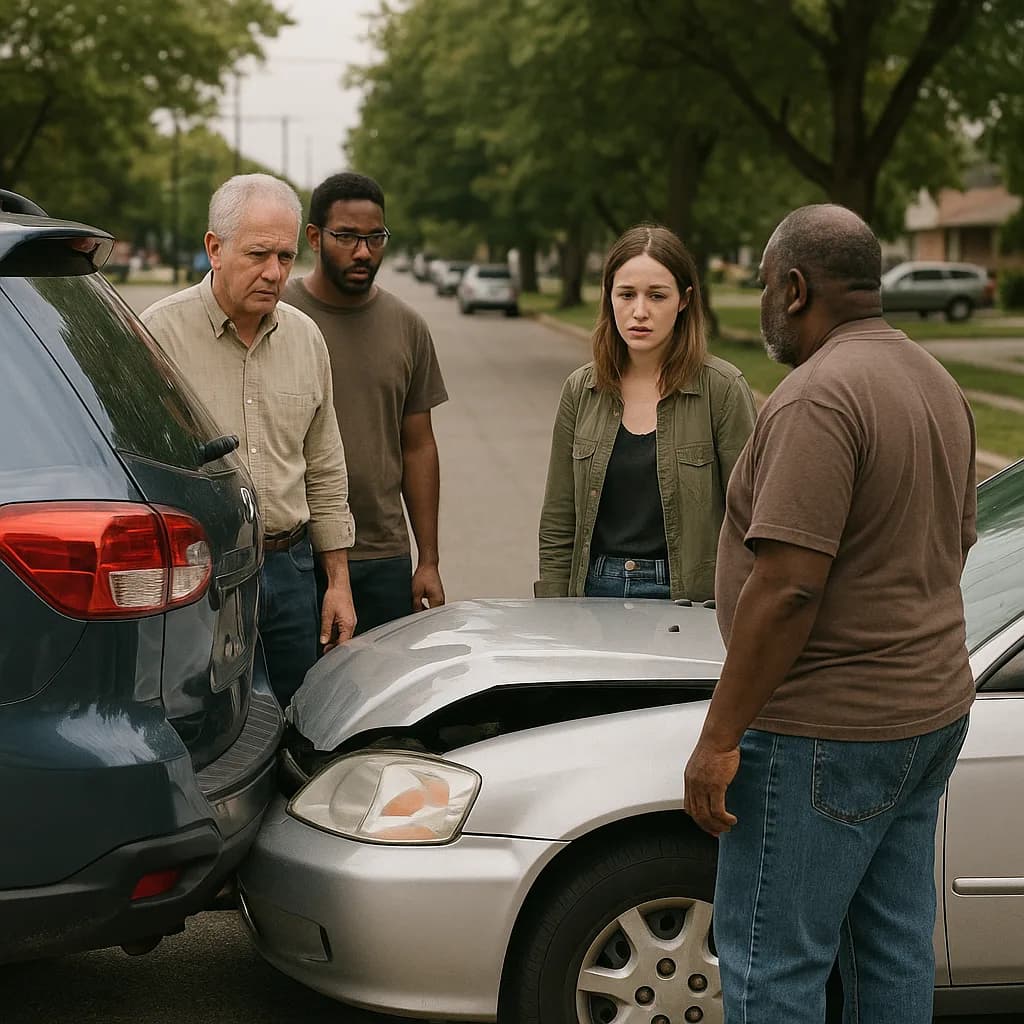
An at-fault accident where Allstate pays a liability claim or a collision claim on your own vehicle is chargeable in most states. The surcharge applies at the next renewal and typically lasts three years from the accident date, not the renewal date. Comprehensive claims for theft, vandalism, weather damage, or animal strikes are usually non-chargeable and do not trigger a surcharge, though filing multiple comprehensive claims in a short period can still affect your renewal offer.
Not-at-fault accidents where another driver's carrier pays your claim do not produce a surcharge in most states, but Allstate may still raise your premium if the accident appears on your claims history and the state allows it. Some states prohibit surcharges for not-at-fault accidents; others leave it to the carrier's discretion. If you live in a state that allows surcharges for not-at-fault claims and Allstate applies one, the increase is typically smaller than the surcharge for an at-fault accident, but it still affects every vehicle on the policy.
Related Articles




How Long the Surcharge Lasts and When It Drops
Allstate applies the accident surcharge for three years from the date of the accident, not the date of the claim or the renewal. If the accident occurred in January 2024, the surcharge will appear on renewals through January 2027, then drop off at the first renewal after the three-year mark. The surcharge does not phase out gradually; it disappears entirely once the lookback period expires.
During the three-year surcharge period, adding another vehicle to the policy does not reset the clock. The new vehicle is rated at the surcharged base premium, but the original accident's three-year timer continues counting from its own date. If a second accident occurs during the surcharge period, Allstate applies a second surcharge on top of the first, and each surcharge runs on its own three-year schedule.
Some drivers assume the surcharge will drop after one year of claim-free driving, but Allstate does not offer early forgiveness for standard policies. Accident forgiveness is available as an optional endorsement in some states, but it must be purchased before the accident occurs. If you did not have accident forgiveness on the policy when the accident happened, you cannot add it retroactively to remove the surcharge.
Carriers Writing Multi-Car SR-22
21
Twenty-one carriers in the national roster write SR-22 policies for multi-vehicle households. Allstate writes standard multi-car policies but may non-renew after multiple accidents, forcing drivers to shop carriers that specialize in higher-risk households.
NAIC 2023 Auto Insurance Database
When Allstate Non-Renews a Multi-Car Policy
Allstate can non-renew a multi-car policy at any renewal if the household's claims history exceeds the carrier's underwriting guidelines. Two at-fault accidents within three years, or three accidents of any type within five years, often trigger non-renewal in most states. The non-renewal notice arrives 30 to 60 days before the renewal date, depending on state law, and applies to every vehicle on the policy. You cannot keep one car on the policy and move the others; the entire household loses coverage.
Non-renewal is not the same as cancellation. Allstate will not cancel mid-term for an accident unless you fail to pay the premium or commit fraud. Non-renewal means the carrier declines to offer a new term when the current policy expires. You have until the expiration date to find replacement coverage, but the non-renewal will appear on your insurance history and make it harder to find a standard carrier willing to write a multi-car policy for your household.
Compare Carriers That Write Multi-Car Policies After Accidents
If Allstate's post-accident premium is unaffordable or the carrier non-renews your policy, compare carriers that specialize in multi-vehicle households with accident history. Progressive, Geico, and Nationwide write multi-car policies for drivers with one or two accidents and offer their own multi-car discounts. The discount percentage may be smaller than Allstate's, but the base premium is often lower, so the total cost can still come out ahead.
Request quotes from at least three carriers and provide the same coverage limits and deductibles for each vehicle. The comparison must account for the multi-car discount each carrier offers, because a smaller discount on a lower base rate can beat a larger discount on a higher one. Some carriers tier their multi-car discount by the number of vehicles: three cars may qualify for a larger discount than two, and four cars may unlock an even higher rate. Ask each carrier how many vehicles are required to maximize the discount and whether all vehicles must be garaged at the same address.